
Primula primulina
Primula primulina
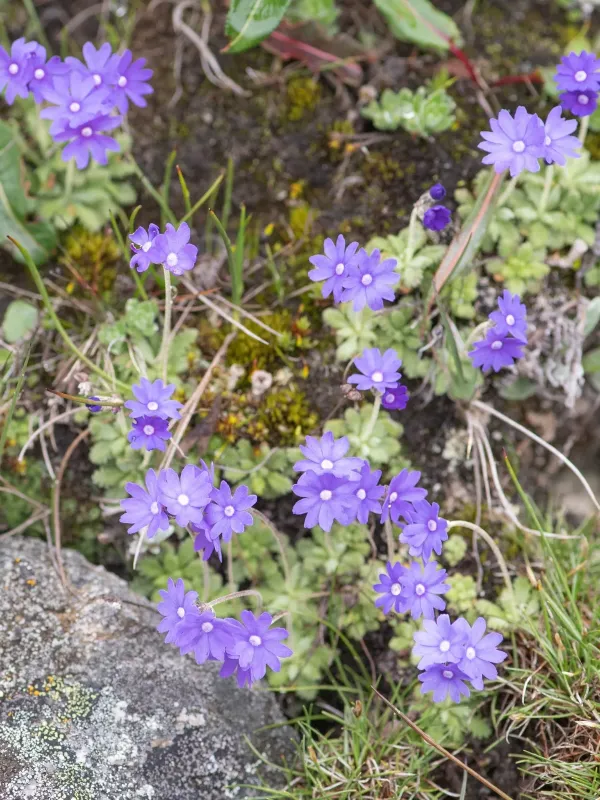
Description
Sowing dates
Sowing Primula primulina typically starts in late winter to early spring. The seeds require a cold stratification process for several weeks to break dormancy and ensure uniform germination.
Use a sterile, well-draining seed-starting mix. Surface sow the seeds, as they are light-dependent for germination, and press them lightly into the soil without covering them too deeply.
Maintain a stable environment with high humidity by covering containers with clear plastic. Keep the temperature between 15°C and 18°C to promote healthy initial development.
Prick out the seedlings once they develop their first set of true leaves. Ensure they are moved into individual pots or trays to provide enough space for root expansion during the early stages.
When propagating by division, ensure that each segment contains a healthy portion of the root system and at least one growth bud. This should be performed during the plant's dormant season.
Growing requirements
As a member of the Primulaceae family, Primula primulina thrives in environments that mimic its native habitat. It prefers semi-shaded positions where it is protected from harsh, direct sunlight.
The soil should be rich in organic matter, moist, and well-drained. Adding leaf mold or well-rotted compost can significantly improve the soil structure and nutrient availability for the plant.
Consistent moisture is crucial for the survival of this species. However, it is essential to ensure that the crown of the plant does not remain waterlogged, as this often leads to decay.
Apply balanced fertilizers during the active growing season. Avoid high nitrogen applications late in the season to prevent weak growth that would be susceptible to frost damage during winter.
Mulching is a highly recommended practice for this culture. It helps regulate soil temperature, suppresses weeds, and maintains essential moisture levels throughout the growing period.
Main diseases and pests
Root rot caused by Phytophthora species is a major threat in poorly drained soils. Improving soil structure and avoiding over-irrigation are the primary cultural controls against this disease.
Powdery mildew often appears during periods of high humidity and poor air circulation. Applying appropriate fungicides and thinning out dense plantings can effectively reduce the risk of outbreaks.
Slugs and snails are major pests that feed on the foliage of Primula species. Utilize physical barriers like copper tape or environmentally safe bait traps to protect the leaves from damage.
Aphids can accumulate on the flower stems, drawing out plant sap and causing stunted growth. Regular inspection and the use of insecticidal soap are usually effective for small infestations.
Botrytis blight may occur during cool, wet spring weather, showing as grey fuzzy mold on the flowers and leaves. Remove and destroy infected plant parts immediately to stop the spread.