
Primula muscarioides
Primula muscarioides
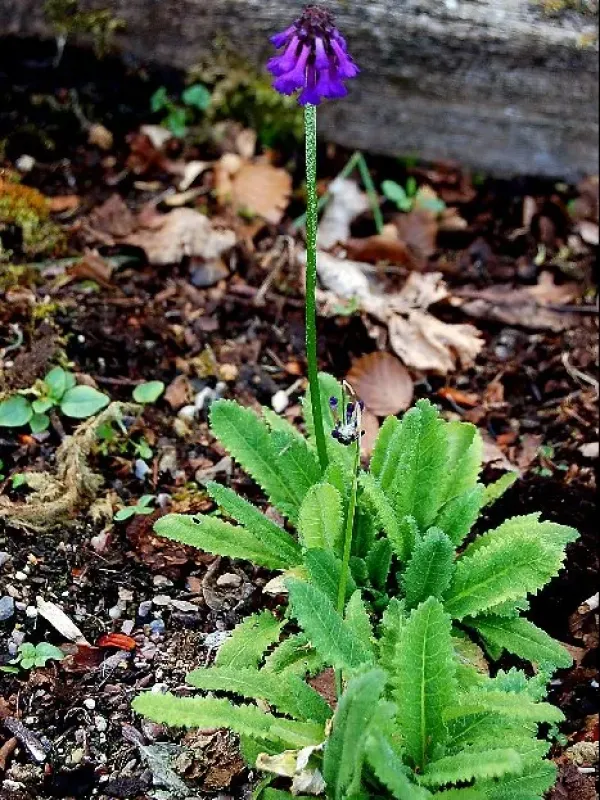
Description
Sowing dates
Sowing seeds of Primula muscarioides is best performed in late autumn or early spring, provided they have undergone a stratification period. This species is known for its hard-to-germinate seeds, making cold treatment an essential prerequisite for successful and uniform sprouting.
For spring sowing, keep the seed trays in a refrigerator at a temperature between 0 and 5 degrees Celsius for four to six weeks. The ideal germination substrate must be light, moisture-retentive, and well-draining, consisting of peat, sand, and leaf mold.
The soil surface should not be heavily compacted during sowing because Primula seeds are light-sensitive. Sow them on the surface, covering them with only a very thin layer of vermiculite or sand, and then cover the tray with glass or film to maintain high humidity.
Seedling pricking out should be carried out when two or three true leaves have developed. Primula muscarioides is extremely sensitive to root disturbance, so transplantation should always be performed as a gentle transfer, keeping the root ball intact.
Young plants are moved to their permanent location in the garden after the threat of late spring frosts has passed. Space the plants 20 to 25 centimeters apart to ensure proper airflow and prevent excessive moisture accumulation around the crowns.
Growing requirements
Primula muscarioides thrives in cool, semi-shaded locations protected from direct, harsh midday sun. As a member of the Primulaceae family, this species originates from the high-altitude regions of Southwest China, which dictates its preference for high atmospheric humidity.
The soil must be consistently moist but must possess excellent drainage. Stagnant water around the root zone is lethal for this plant, as it quickly leads to root rot and eventual plant failure, especially during warm, humid conditions.
The best growth is achieved in loose, fertile loams with a neutral to slightly acidic pH. Enhancing soil structure by incorporating compost or well-rotted leaf mulch helps maintain the necessary moisture levels without risking the danger of waterlogging.
Mulching around the base of the plant is an important maintenance practice. Using organic materials like fine bark chippings helps maintain a cool root environment, which is vital for the plant's health during the peak heat of summer.
In regions with severe winters, Primula muscarioides benefits from light protection with dry leaves or spruce branches. Despite its reasonable hardiness, sudden temperature fluctuations and snowless periods can negatively impact the winter survival of the rootstock.
Main diseases and pests
The primary threats to this culture are fungal diseases, which develop in conditions of excessive moisture and poor air circulation. Gray mold and powdery mildew are the most common infections that target both the foliage and the delicate flower spikes.
Garden slugs and snails can cause significant damage to the succulent young foliage in damp garden environments. Control measures include manual gathering at night, installing physical barriers, or using safe, granulated molluscicides if necessary.
The root system may occasionally be attacked by soil-dwelling pests like wireworms. Preventive measures include keeping the garden beds free of debris and avoiding the use of uncomposted organic matter, which can attract harmful insect larvae to the planting site.
If signs of leaf spot occur, it is essential to remove the affected plant parts immediately and apply systemic fungicides. This quick intervention helps prevent the spread of fungal spores to neighboring plants within the display.
Regular morning inspections are recommended to detect the arrival of aphids or spider mites. If infestations are spotted, apply appropriate insecticides or acaricides according to the manufacturer's guidelines, ensuring the correct interval between treatments.