
Primula munroi
Primula munroi
Description
Growing requirements
Primula munroi is a perennial herbaceous plant belonging to the Primulaceae family. Native to the high-altitude regions of the Himalayas, this species thrives in cool, moist environmental conditions that mimic its natural habitat.
The cultivation of this plant requires a site with partial shade, as the foliage is susceptible to scorching under intense direct sunlight. The soil should be a rich, humus-based loam that remains consistently moist but provides excellent drainage.
A key aspect of horticultural practice for this species is managing moisture levels; while the plant loves water, it cannot tolerate stagnant conditions around the crown. Adding perlite or coarse sand to the planting substrate is recommended to ensure root health.
In temperate climates, Primula munroi performs well in rock gardens or as a border plant in damp, cool garden areas. Regular mulching with organic material helps maintain root temperature stability and suppresses competing weeds.
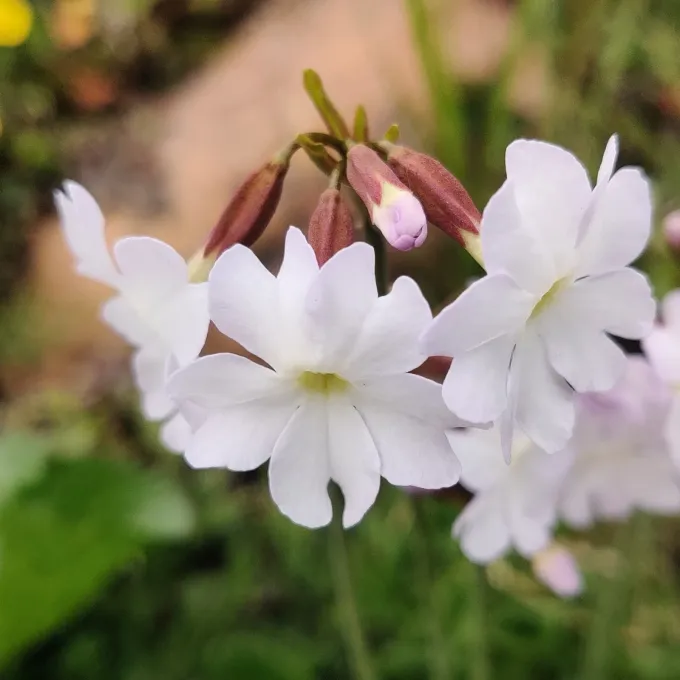
The plant is highly regarded for its aesthetic value, producing clusters of white to creamy flowers in the spring. It serves as an excellent specimen for collectors of alpine and woodland perennials seeking unique botanical diversity.
Main diseases and pests
The most significant pathological threats include root rot and gray mold (Botrytis), which are typically triggered by poor air circulation or over-saturation of the soil. Improving drainage and spacing plants properly are primary prevention methods.
Pests, particularly slugs and snails, are problematic during the early growing season when succulent new leaves emerge. Gardeners often use organic barriers or traps to mitigate damage to the foliage.
Occasionally, spider mites may infest the plant during prolonged dry spells. Consistent watering and maintaining adequate humidity levels are usually sufficient to prevent these infestations without the need for intensive chemical interventions.