
Primula saxatilis
Primula saxatilis
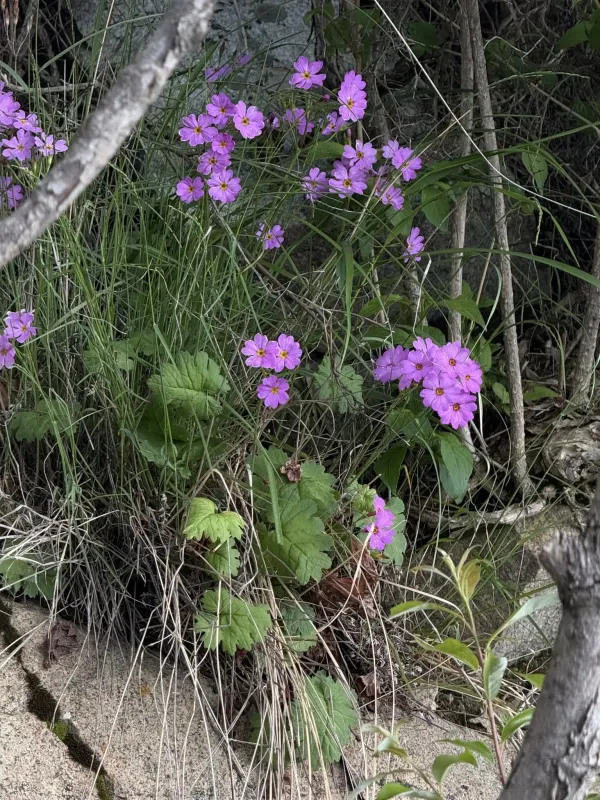
Description
Sowing dates
Sowing Primula saxatilis seeds is best carried out in late autumn, as the seeds require a period of cold stratification to break dormancy. The optimal time for sowing is October or November, ensuring exposure to natural winter temperatures.
For spring sowing, seeds must be artificially stratified in a refrigerator at temperatures between 0 and +4 degrees Celsius for at least three to four weeks. Seeds should be surface-sown on a moist substrate and barely covered, if at all.
Germination is often irregular and typically occurs two to four weeks after moving containers to a room temperature of +18 to +20 degrees. Maintaining consistent moisture in the growing medium is crucial during this stage.
Pricking out the seedlings should be done when the first two true leaves have fully expanded. The root system of this species is delicate, so careful handling is necessary to avoid damaging the sensitive root hairs during transplantation.
Plants are usually moved to their permanent location in the garden during their second growing season. This ensures that the plant has developed a strong enough rosette to withstand the outdoor environment of a rock garden.
Growing requirements
Primula saxatilis is a perennial herbaceous plant belonging to the Primulaceae family, naturally adapted to growing in rock crevices and on stony slopes. Its native range spans mountainous regions across Eastern Siberia and the Far East.
For optimal growth, this culture requires a partially shaded location protected from direct mid-day sun. Intense sunlight can damage the leaves, so an east-facing aspect in a rock garden is usually the most suitable position.
The soil must be well-drained, moderately fertile, and neutral in pH. Waterlogging is detrimental to this species, so incorporating coarse grit or gravel into the soil mix is essential to prevent root rot in heavier garden soils.
The plant demonstrates high frost tolerance; however, in areas with little snow cover during winter, providing a light covering of conifer branches is recommended. Consistent, light watering is necessary during the summer to prevent drought stress.
Fertilization with a balanced, low-nitrogen mineral fertilizer should be performed twice per season: once as growth begins in early spring and once after the flowering period to support the development of next year's growth buds.
Main diseases and pests
Slugs and snails are the most significant pests for Primula saxatilis, as they often target the succulent foliage in damp conditions. Using a gravel mulch around the base of the plant can serve as an effective physical barrier.
Poor ventilation combined with excessive humidity can lead to outbreaks of grey mould. Preventive measures include ensuring good spacing between plants and being careful to water the soil directly rather than wetting the leaves.
Aphids and spider mites may become problematic during hot, dry summer periods. Regular inspection of the undersides of the leaves allows for timely intervention using appropriate insecticidal or acaricidal sprays to prevent infestation.
Root rot is primarily caused by poor drainage and excessive moisture in the soil. Ensuring the substrate remains porous and avoiding water stagnation during the plant's dormant phase are key factors in maintaining healthy roots.
Viral infections can be transmitted by insect pests, making pest management an essential component of disease control. Any plants showing signs of severe viral infection should be removed to prevent further spread within the garden.