
Primula pubescens
Primula pubescens
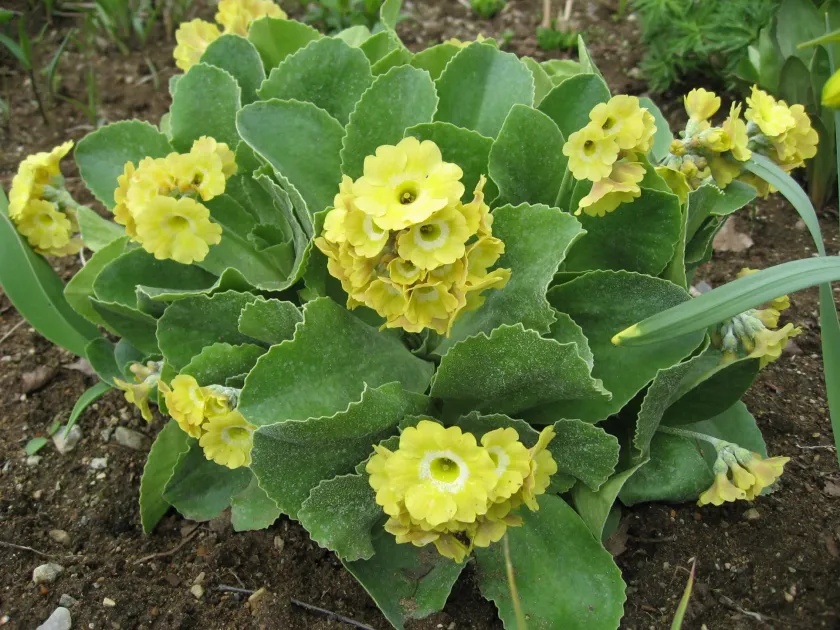
Description
Sowing dates
Seeds of Primula pubescens should be sown between January and March. They require a period of stratification to break dormancy, which can be achieved through cold treatment in a refrigerator or outdoors during winter months.
The seeds are tiny and should be sown on the surface of a light, well-draining seed-starting mix. Do not cover them with soil, as they require light to germinate effectively and produce strong seedlings.
Maintain a temperature of 15–18 degrees Celsius during the germination period. Covering the seed tray with plastic wrap or glass helps keep humidity levels high, which is essential for uniform sprouting.
Once seedlings develop their first true leaves, they should be pricked out and transplanted into individual pots. This spacing allows each plant to develop a healthy root system before being moved to a permanent location.
Transplanting to the garden should occur once the risk of frost has passed. Planting in the evening or on a cloudy day helps the young plants adjust to outdoor conditions more quickly without drying out.
Growing requirements
Primula pubescens is a hardy perennial belonging to the Primulaceae family. It is a well-known hybrid, valued for its cluster of vibrant flowers and its suitability for rock gardens and borders.
These plants thrive in cool, partially shaded environments. Intense, direct sun can damage the foliage and cause the roots to dry out, so a position with morning sun and afternoon shade is ideal.
Soil requirements include excellent drainage and a neutral to slightly alkaline pH. Adding organic matter and grit to the soil mix improves aeration and prevents the roots from becoming waterlogged.
Consistent moisture is key to the health of the plant. While they should not sit in standing water, they must not be allowed to dry out completely, especially during the active blooming season.
Fertilizing with a balanced, water-soluble fertilizer at the start of the growing season promotes vigorous growth and flowering. Avoid high-nitrogen formulas, as they tend to encourage leaves at the expense of blossoms.
Main diseases and pests
Root rot and crown rot are the primary threats to Primula pubescens, typically caused by overly wet conditions. Proper site selection and soil preparation are the best ways to mitigate these risks.
Pests such as aphids and spider mites can infest the foliage, particularly in warm, dry weather. Regular monitoring and the application of mild insecticidal soap can effectively manage these populations.
Slugs and snails can cause significant cosmetic damage to the plant by eating the leaves. Using physical barriers, like crushed shells or copper tape, can deter these pests from reaching your primroses.
Maintaining good airflow around the plants is essential for preventing fungal diseases. Keeping the area free of dead foliage and debris reduces the likelihood of spreading pathogens during the humid summer months.
If symptoms of disease appear, affected parts should be removed promptly. Applying a copper-based fungicide can help treat localized infections and protect the surrounding plants from potential spread.