
Primula modesta
Primula modesta
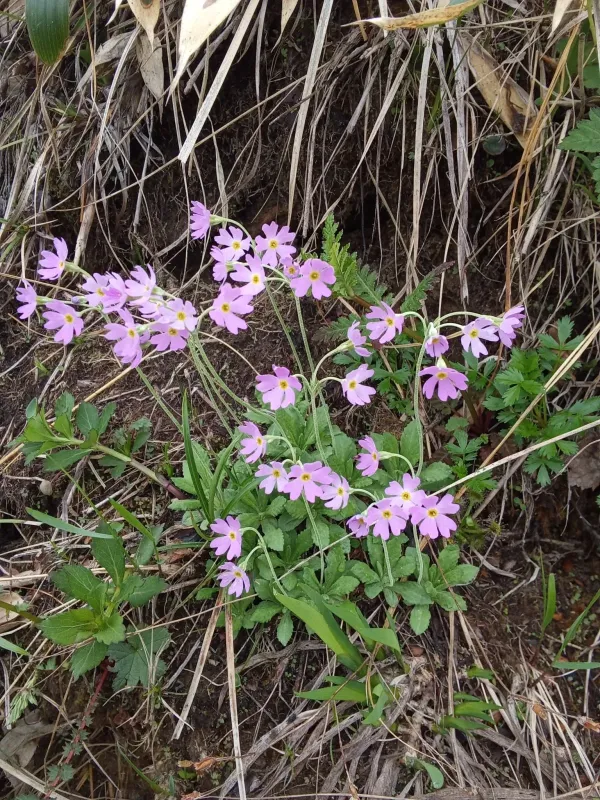
Description
Sowing dates
Sowing Primula modesta seeds is best carried out in late winter, providing enough time for the seedlings to establish before the heat of summer.
Cold stratification of the seeds is a crucial prerequisite for successful germination, mimicking the natural winter conditions of its native habitat.
The sowing medium should be well-draining, consisting of a mix of peat, sand, and perlite to prevent the seeds from rotting.
Seeds should be surface-sown or covered with only a very thin layer of fine substrate to ensure they have sufficient access to light for sprouting.
Maintaining a temperature range between 15°C and 18°C during the germination period ensures the best success rate for emerging seedlings.
Growing requirements
Primula modesta belongs to the Primulaceae family and is recognized for its preference for cool, alpine-like environments with high humidity.
It originates from the mountainous regions of Eastern Asia, specifically Japan and the Far East, where it grows in rocky and damp crevices.
The plant requires a soil type that is rich in organic matter, slightly acidic, and most importantly, provides excellent drainage to prevent root rot.
Placement in partial shade is essential, as the species is intolerant to the intense heat and direct sunlight found in open lowland areas.
Adequate air circulation around the foliage is necessary to maintain plant health and prevent the buildup of stagnant moisture.
Main diseases and pests
Root rot is the most common threat to this species, usually caused by overwatering or soil that remains saturated for extended periods.
Fungal infections such as powdery mildew can occur if the humidity levels are too high combined with poor air movement in the environment.
Pests like aphids and spider mites can cause significant damage to the plant's health, particularly when the conditions are too dry.
Slugs and snails often feed on the tender young leaves, which can severely weaken the plant and hinder its blooming capacity.
- Monitor soil moisture levels frequently.
- Ensure adequate ventilation in the growing area.
- Apply preventative treatments if pest populations appear.
- Remove any decaying leaves to minimize disease spread.