
Primula poissonii
Primula poissonii
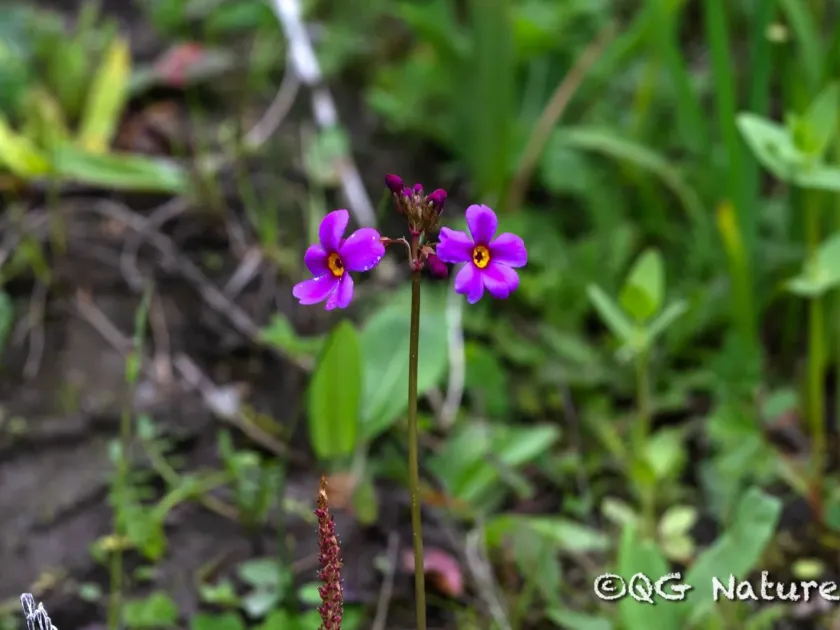
Description
Sowing dates
Sowing Primula poissonii is best performed in late autumn or early spring following a period of stratification. The seeds of this species are sensitive to temperature fluctuations, so simulating natural seasonal changes significantly improves germination rates.
When using a nursery tray, sow the seeds on top of a lightweight, well-draining substrate. Do not bury the seeds deeply; instead, cover them lightly with vermiculite or grit to allow sufficient light exposure, which is essential for successful germination.
Once the first true leaves appear, seedlings should be pricked out into individual pots or larger containers for further development. It is crucial to maintain consistent soil moisture, as the young root system is highly sensitive to drying out during the active growth phase.
Transplanting the young plants into the garden should occur once the danger of frost has passed, typically late spring. This timing allows the plants to establish themselves in the environment before the onset of intense summer heat.
Space the plants approximately 25 to 30 centimeters apart to ensure proper airflow. Adequate spacing is essential to reduce the humidity around the foliage and minimize the risk of developing fungal diseases in the garden beds.
Growing requirements
Primula poissonii, a member of the Primulaceae family, originates from the damp mountain regions of Southwestern China. The plant thrives in semi-shaded locations where it is protected from intense, direct sunlight during the hottest parts of the day.
Success with this crop depends on soil quality; it requires fertile, humus-rich loamy soil with a neutral to slightly acidic pH. Maintaining moisture is key, as this species is moisture-loving and will suffer significantly if the soil dries out completely.
In regions with hot summers, regular watering is mandatory, combined with mulching around the base of the plant. Mulch helps retain soil moisture and keeps the roots cool, which is critical for the survival of this alpine-origin species.
The plant has moderate frost resistance, so in temperate climates, providing a light protective cover of pine branches or dry leaves during winter is recommended. This shields the rosette from severe frost and the damage caused by spring temperature swings.
Apply fertilizers sparingly, choosing balanced mineral options with reduced nitrogen content after the flowering period ends. Excessive fertilization often results in weak, leggy growth rather than the development of healthy floral buds for the next season.
Main diseases and pests
The primary threats to Primula poissonii are fungal pathogens, which flourish in stagnant, humid environments. Common issues include powdery mildew, gray mold, and various leaf spots that can rapidly degrade the plant's health.
Disease prevention is achieved by careful watering techniques, ensuring water does not collect in the center of the leafy rosette. If signs of infection appear, systemic fungicides, particularly copper-based formulas, are effective for control.
Slugs and snails often feed on the tender foliage, especially during rainy spells. Mechanical barriers, such as surrounding the plants with grit or wood ash, are effective non-chemical methods for protecting the foliage from these common garden pests.
During prolonged hot and dry periods, spider mites may infest the plant, causing foliage to lose its color and vigor. If an infestation is detected, treating the plant with appropriate acaricides according to the label is necessary for control.
Root rot is a common outcome of poor drainage in heavy clay soils. Improving soil aeration by incorporating sand or gravel into the planting site is the most effective long-term preventative measure against root-related ailments.