
Primula mollis
Primula mollis
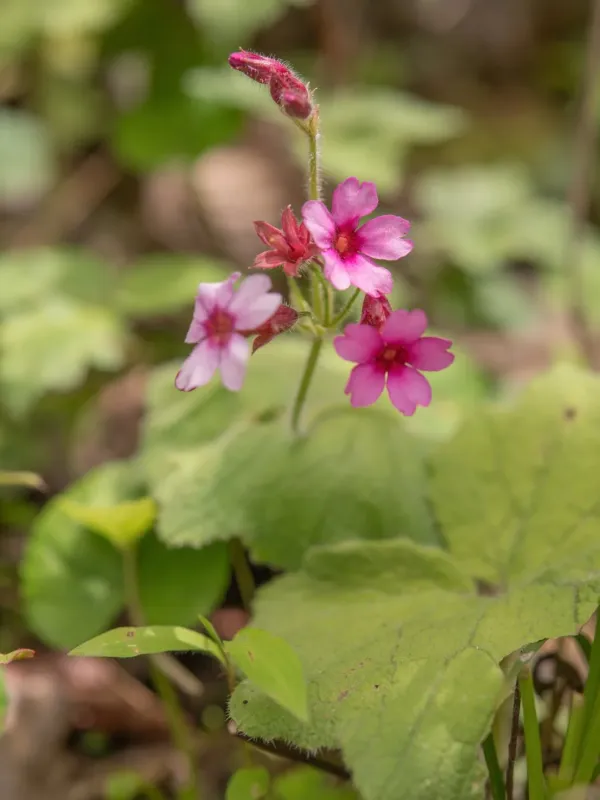
Description
Sowing dates
Primula mollis seeds should be sown in late winter or early spring, typically between January and March, to ensure a healthy development cycle. The seeds are very small and require light for germination, so they should be sown on the surface of a light, moist medium without being covered by soil.
Maintaining a consistent environment is crucial for germination; a temperature range of 18–20 degrees Celsius is optimal. Covering the seed trays with a glass or plastic lid helps maintain the necessary humidity levels, which is vital for the fragile seeds to sprout successfully.
Once seedlings emerge, it is important to gradually reduce the temperature to around 15 degrees Celsius. This prevents the young plants from becoming "leggy" or weak, encouraging the growth of robust leaves and a strong root system during the early stages of development.
Pricking out the seedlings should be performed when they have developed two or three true leaves. Transplanting them into individual pots with nutrient-rich, airy substrate helps the plant establish itself and prepares it for the transition to its final growing environment.
Regular but gentle watering is necessary, avoiding any sudden drying out of the growing medium. By paying attention to the specific needs of the seedlings during their first few months, gardeners can ensure a productive and healthy plant growth process.
Growing requirements
Primula mollis belongs to the Primulaceae family and originates from the mountainous regions of Asia, specifically China and the Himalayas. As a cool-climate plant, it requires specific conditions to thrive in domestic or greenhouse settings, focusing on moderate temperatures.
The soil should be loose, well-draining, and rich in organic matter. A mixture of peat-based substrate, leaf mold, and perlite or sand works best to provide the necessary aeration and moisture retention that this species demands for its roots.
Bright but indirect lighting is essential for this plant. Direct sunlight, especially during the afternoon, can scorch the soft leaves, causing discoloration and significant physiological stress. North or east-facing windows are usually the most suitable locations.
Maintaining an ambient temperature between 10 and 16 degrees Celsius is ideal for Primula mollis. Higher temperatures often cause the plant to drop its buds or show signs of rapid wilting, making it difficult to keep the plant in a decorative state for long periods.
Humidity management is a critical aspect of care. Because this species prefers a cool and humid environment, using trays filled with damp gravel or pebbles around the pots can help create a microclimate that prevents the air from becoming excessively dry.
Main diseases and pests
Spider mites and aphids are the most common pests that affect Primula mollis, especially when indoor conditions are too dry and warm. Regular monitoring of the foliage, particularly the undersides of the leaves, is necessary to catch infestations early.
Gray mold (Botrytis) is a significant threat to this species, often appearing in conditions with poor airflow or stagnant humidity. To minimize this risk, it is important to provide good ventilation and avoid getting water directly on the crown or the leaves.
Root rot is a common issue caused by overwatering or poor drainage. If the substrate remains waterlogged for extended periods, the root system will quickly begin to decline, leading to stunted growth or the eventual death of the entire plant.
When pest infestations occur, systemic insecticides or horticultural soaps can be applied. It is crucial to follow the recommended dosages and apply the treatment in the evening to prevent potential leaf damage from the chemicals under light exposure.
Preventative measures, such as sterilizing the potting mix and practicing good hygiene by removing old or dead plant debris, are highly effective. Providing optimal cultural conditions is the best way to keep the plants resistant to disease and pest pressure.