
Primula prolifera
Primula prolifera
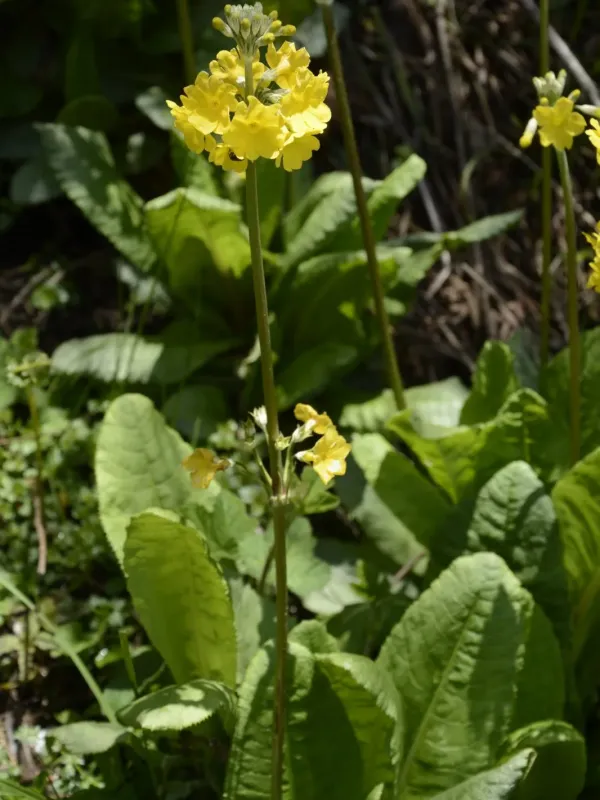
Description
Sowing dates
Primula prolifera, commonly known as a candelabra primrose, belongs to the Primulaceae family. Cultivating this perennial herb starts with high-quality seed selection, often requiring a period of cold stratification to break dormancy.
Sowing typically takes place in late winter or early spring using a light, well-draining seed-starting mix. Seeds should be pressed into the surface rather than buried, as light exposure is necessary for successful germination.
Maintaining a constant temperature of 15–18°C is essential for uniform emergence. Once seedlings develop a set of true leaves, they should be carefully pricked out and transplanted into individual pots to avoid root competition.
The hardening-off process is crucial before transplanting the primulas into their permanent outdoor locations. This gradual exposure to outdoor elements ensures the plants are robust enough to withstand fluctuating spring temperatures.
Plant spacing should be adequate, typically 30–40 cm apart, to allow for proper airflow around the basal rosette. This prevents the development of fungal pathogens and promotes a healthy growth rate throughout the season.
Growing requirements
Native to the moist regions of Southeast Asia, Primula prolifera thrives in habitats with high humidity. It is an ideal choice for rain gardens, bog edges, or shaded borders where soil moisture remains consistently high.
The soil should be rich in organic matter, such as compost or well-rotted leaf mold, to provide essential nutrients. While it enjoys moisture, the soil must be well-drained to prevent anaerobic conditions around the roots.
Light requirements are best met with partial shade or dappled sunlight. Full sun, particularly in mid-summer, can scorch the foliage and cause the plants to wilt rapidly, negatively impacting the bloom cycle.
Regular irrigation is vital during the growing period, especially if rainfall is sparse. Maintaining a moist, cool root zone is the secret to producing the signature tiered flower spikes characteristic of this species.
Mulching with organic material helps maintain even soil moisture levels and suppresses weed growth. In areas with harsh winters, a light covering of pine needles or straw provides necessary protection against freeze-thaw cycles.
Main diseases and pests
Slugs and snails are the most significant pests for Primula prolifera, often devastating the leaves overnight during damp weather conditions. Barrier methods or organic baits are standard practices for mitigating these issues.
Spider mites can be problematic in drier environments, causing foliage to lose its vigor and display fine stippling. Increasing air humidity and ensuring adequate soil moisture are effective preventative measures against mite infestations.
Fungal infections like root rot and leaf spot are common threats when plants are overcrowded or if soil drainage is insufficient. These conditions lead to rapid decline and require immediate remedial action.
Good hygiene in the garden is essential to prevent the spread of diseases. Removing old foliage and debris from around the base of the plant minimizes the survival of pathogens and insect eggs during the winter season.
If chemical interventions are necessary, choosing fungicides or insecticides labeled for ornamental use is recommended. Always apply treatments during the cooler parts of the day to avoid leaf burn and to ensure plant safety.