
Primula obliqua
Primula obliqua
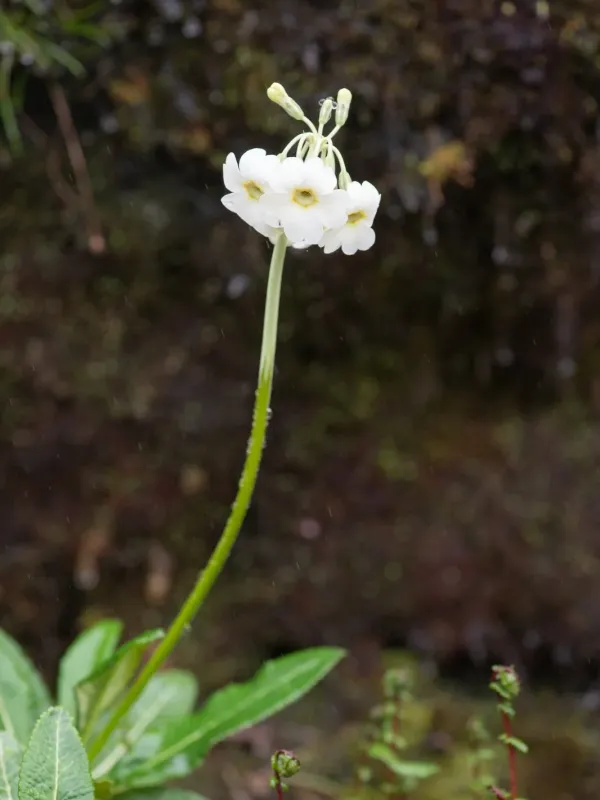
Description
Sowing dates
Primula obliqua seeds require a period of stratification to break dormancy; therefore, sowing is typically done in late autumn or early winter.
Use a well-draining, sterile seed starting mix to ensure the seedlings have a healthy environment free from soil-borne pathogens.
The seeds should be sown on the surface of the growing medium and pressed down gently, as they require exposure to light for germination.
Place the containers in a cold frame or a refrigerator to simulate natural winter conditions, which is crucial for successful seed development.
Once the seedlings are large enough to handle, they should be transplanted into individual pots to grow on before being planted out in the garden.
Growing requirements
This species thrives in partial shade conditions, as it is native to high-altitude areas where it is sheltered from harsh, direct sunlight.
The soil should be rich in organic matter and consistently moist, mimicking the habitat of its subalpine meadow origin.
Effective drainage is essential; while the plant loves moisture, it cannot tolerate waterlogging, which will quickly damage its root system.
A cool climate is preferred, and the plant performs best in regions where summer temperatures do not rise to extreme, scorching levels.
The soil pH should be slightly acidic to neutral to ensure the plant can efficiently absorb the necessary nutrients for healthy flowering.
Main diseases and pests
Slugs and snails are the most common pests, often feeding on the succulent leaves of Primula obliqua during damp weather conditions.
Root rot and crown rot are frequent issues caused by poorly drained soils or over-watering, especially during periods of high humidity.
Aphids may occasionally infest the flower buds and young shoots, requiring prompt treatment with mild insecticidal soaps if an outbreak occurs.
Botrytis, or gray mold, can affect the plant if air circulation is poor, particularly in crowded planting schemes within the garden.
Preventative care, including keeping the planting area clean and providing adequate space between plants, is the best strategy against diseases.