
Primula polyneura
Primula polyneura
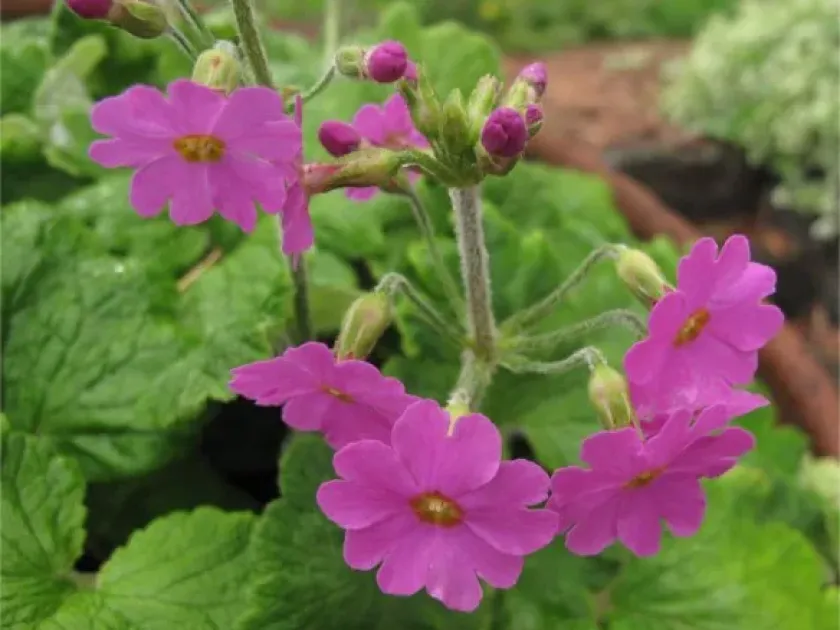
Description
Sowing dates
Primula polyneura is best propagated from seeds sown in late winter or early spring. The seeds require stratification and should be sown on the surface of a light, moist substrate, as they need light to germinate efficiently.
Vegetative propagation by dividing the clumps is best performed after the flowering period concludes. This allows the newly divided plants enough time to establish their root systems before the cold season arrives.
When replanting divisions, choose shaded sites with high humidity. Young plants require consistent watering and protection from intense sunlight during the first few weeks after transplantation.
Seedlings should be pricked out when they develop their first set of true leaves. Transitioning to open ground should be delayed until all risks of frost have passed and the soil has warmed sufficiently.
Spacing is essential for the health of this species. Planting intervals of approximately 20–30 cm prevent overcrowding and ensure adequate airflow, which is crucial for preventing fungal issues.
Growing requirements
Belonging to the Primulaceae family, Primula polyneura originates from the mountainous regions of China. This culture thrives in cool, temperate climates and avoids regions with excessive summer heat.
The ideal soil is rich in organic matter, loose, and well-drained. While the plant loves moisture, it is highly sensitive to waterlogged conditions, which can quickly lead to root decay.
Choose a planting location in partial shade or beneath deciduous trees where the plant can enjoy filtered light. Direct afternoon sun can easily scorch the delicate foliage of the primrose.
The species is considered winter-hardy. However, applying a layer of mulch around the base during late autumn provides extra protection against sudden temperature drops and soil heaving.
Maintain consistent moisture throughout the growing season. Use a mulch layer to retain soil humidity and suppress weeds that might otherwise compete with the primula for nutrients.
Main diseases and pests
Slugs and snails are the most frequent pests, often consuming the soft, leafy parts of the plant. Gardeners should employ manual collection or non-toxic traps to protect the foliage.
Fungal diseases, including leaf spot and gray mold, are common in environments with poor air circulation or excessive overhead irrigation. Keeping the foliage dry is a primary preventive measure.
Root rot often occurs in compact or waterlogged soils. To mitigate this risk, improve soil drainage by incorporating grit or coarse compost into the planting hole.
Good garden hygiene, such as removing yellowing leaves and dead stems, helps reduce the spread of pathogens and improves the overall appearance of the perennial clumps.
In cases of viral infections marked by distorted leaves or stunted growth, immediate removal and destruction of the infected plants are necessary to prevent the disease from spreading throughout the collection.