
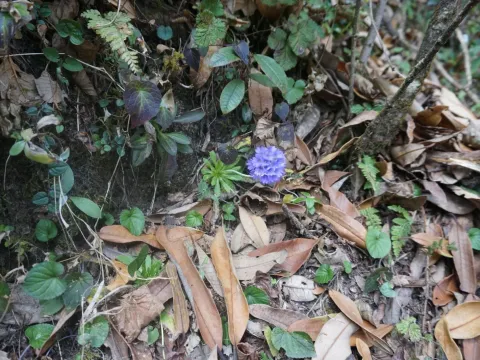
Primula glomerata
Primula glomerata
Sowing of Primula glomerata is typically carried out in late winter or early spring using the seed-tray method. The seeds require a period of cold stratification to break dormancy, making the use of a refrigerator or cold frame essential for successful germination.
What the section contains
Primula glomerata
A fine, well-draining seed-starting mix consisting of peat, sand, and sterile loam is ideal. Seeds should be sown on the surface and pressed gently into the medium, as they require light to germinate effectively.
Maintaining a steady temperature of approximately 15–18 degrees Celsius is crucial for consistent seedling emergence. Keeping the growing medium moist without saturating it is vital during the sensitive early development stage.
Pricking out the seedlings into individual pots is performed once they develop their first true leaves. Gradual hardening off is necessary before transplanting the young plants into their permanent location in the garden.
Choose a location that provides partial shade, mimicking the plant's natural high-altitude environment. Avoid direct afternoon sun, which can scorch the foliage of this delicate perennial.
Primula glomerata is a member of the Primulaceae family, native to the rugged terrains of the Himalayas. It is prized by collectors for its unique, globular flower heads and its distinct preference for cool, humid climates.
The plant thrives in fertile, humus-rich soil that is consistently moist yet exceptionally well-drained. Heavy clay soils that retain excess water are detrimental and will likely cause the crown to rot.
Botanically, it is recognized by its dense, ball-shaped inflorescence and the fine, powdery, farina-like substance that covers the stalks and leaves. This creates a striking silver-tinted appearance in many specimens.
Regular maintenance involves light weeding and the application of organic mulch to keep the roots cool during warmer months. During dry periods, supplementary watering is necessary to prevent wilting.
While hardy, the plant benefits from a light layer of winter protection in regions prone to extreme frost. This helps prevent the soil from heaving and protects the crown from excessive moisture damage.
Root rot is the most common ailment encountered when growing Primula glomerata. It is usually triggered by waterlogging, emphasizing the need for excellent drainage and judicious watering practices.
Aphids can cause damage by congregating on the succulent flower buds and young leaves. Regular inspection and the use of insecticidal soap are often sufficient to keep these pests under control during the active growing season.
Slugs and snails are major threats to the foliage, especially during moist spring weather. Setting up copper barriers or using organic deterrents can protect the plants from significant cosmetic damage.
Spider mites may become problematic during hot, dry spells if the humidity around the plant drops too low. Increasing air humidity and using targeted acaricides can manage these infestations effectively.
Botrytis, or grey mold, is a secondary concern that typically emerges in stagnant, humid air. Promoting good airflow around the plants and removing decaying foliage promptly are key preventive measures.