
Primula grandis
Primula grandis
Description
Growing requirements
Primula grandis, commonly known as the large primrose, is a perennial herbaceous plant belonging to the Primulaceae family. Naturally distributed in the high-altitude regions of the Caucasus, this plant thrives in cool, moist, and shaded habitats near mountain streams and subalpine meadows.
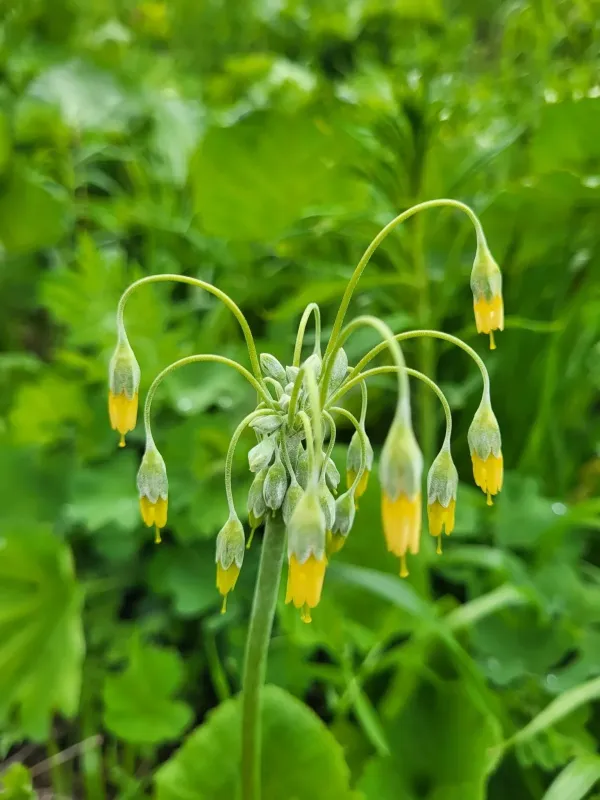
The botanical structure of the plant is characterized by its broad, cordate leaves that form a dense basal rosette. The elongated scapes support multiple nodding, bell-shaped flowers with distinct yellowish-green tones, differentiating it from common primula species used in large-scale gardening.
Regarding its requirements, the plant demands high soil fertility and constant moisture levels. In an agricultural or horticultural setting, it is essential to provide a shaded environment, as direct sunlight can easily dehydrate the foliage and inhibit the development of the root system.
The economic use of Primula grandis is primarily academic and ornamental. It is highly valued in botanical collections for its rarity and specific ecological requirements, making it a target for specialized nurseries focusing on alpine plant conservation.
General agrotechnical management involves creating a stable, cool microclimate. The use of organic mulch is strongly recommended to regulate soil temperature and moisture content throughout the growing season, mimicking the forest-floor environment of its native range.
Main diseases and pests
Primary threats to Primula grandis include various fungal infections, notably gray mold and root rot, which are triggered by poor air circulation and excessive water accumulation around the crown of the plant.
Pests such as slugs and snails are frequent intruders, particularly in damp environments, where they cause significant damage to the leaf tissue during the night and early morning hours.
Aphids and spider mites may also infest the plant during spells of warmer weather or reduced humidity, potentially stunting the growth and reducing the aesthetic appeal of the flower scapes.
Effective management requires maintaining strict hygiene in the cultivation area, removing decaying vegetation, and ensuring that the planting density is sufficient to prevent the development of a humid stagnant zone.
Integrated pest management, favoring biological controls over heavy chemical interventions, is highly advised to maintain the health of the plants while preserving the surrounding environment.