
Primula gracilipes
Primula gracilipes
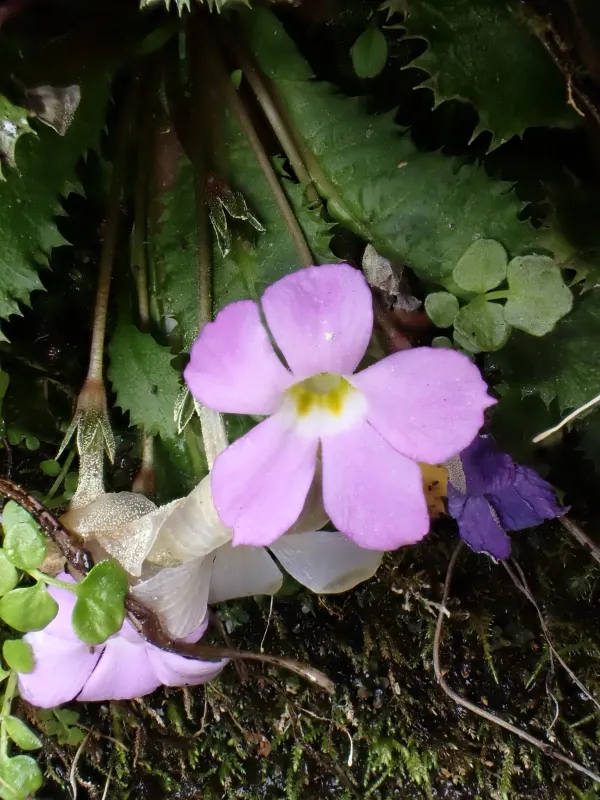
Description
Sowing dates
Primula gracilipes is a charming perennial herb belonging to the Primulaceae family. It is typically propagated through seed sowing or by dividing mature clumps during the dormant season.
Seeds are best sown in late winter in a well-draining seed-starting mix. Because the seeds require cold stratification to break dormancy, they should be kept in cool conditions for several weeks before germination begins.
Once seedlings develop their first true leaves, they should be transplanted into individual pots. Maintaining constant moisture is vital, as small seedlings are highly sensitive to drought during their initial growth stages.
Acclimatization to outdoor conditions should happen gradually in spring. Plants are then moved to their permanent locations once the risk of severe night frosts has passed.
Vegetative division is the most efficient way to multiply established plants. Dividing the root system after the flowering period helps rejuvenate the plant and ensures vigorous growth in the following season.
Growing requirements
Originating from the alpine regions of the Himalayas, this species thrives in cool, humid environments. It is best suited for rock gardens or shaded borders where it can be protected from intense midday sun.
The ideal soil is moisture-retentive, rich in organic matter, and slightly acidic. Good drainage is essential, as the roots are prone to rot if kept in waterlogged conditions for extended periods.
Regular watering is necessary, especially during the peak of the growing season. Applying a layer of mulch, such as leaf mold or compost, helps stabilize soil temperature and retain essential moisture.
Fertilizing with a balanced liquid fertilizer should be done sparingly, focusing on the early growth phase. Avoid excessive nitrogen applications, which can lead to lush leaf growth at the expense of flower production.
In regions with harsh winters, providing a light protective cover of pine needles or straw is recommended. This helps prevent damage to the crown of the plant during freeze-thaw cycles.
Main diseases and pests
Slugs and snails are the most significant pests for Primula gracilipes, particularly during wet weather. Using physical barriers or organic pest control products can prevent significant damage to the foliage.
Fungal diseases, such as grey mould, can occur if there is insufficient air circulation. Thinning out overcrowded plants or removing affected leaves can effectively curb the spread of infections.
Root rot is often the result of poor soil drainage or improper watering habits. If the plant shows signs of wilting despite moist soil, check the roots for decay and improve the site drainage immediately.
Aphids might occasionally infest the flower stalks. A gentle spray of water or the application of insecticidal soap is usually sufficient to manage these infestations without harming the plant.
Regular monitoring of the planting area is the best practice for long-term health. Detecting potential issues early allows for quick intervention and ensures that the plants remain vigorous and beautiful.