
Primula latiloba
Primula latiloba
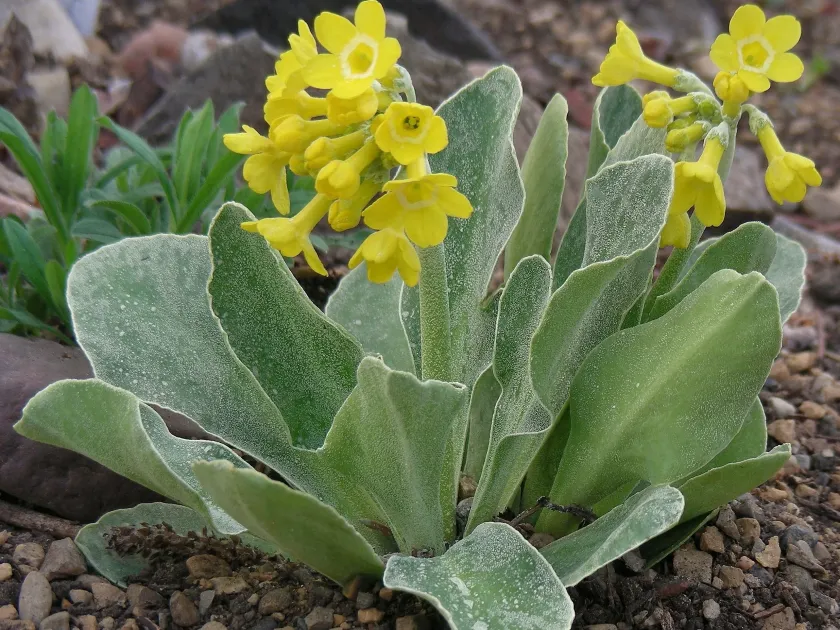
Description
Sowing dates
The seeds of Primula latiloba require cold stratification to break dormancy. Sowing is best carried out in late winter in containers filled with a fine-textured, well-draining seed-starting mix.
Seeds should be sown on the surface and pressed gently into the medium without heavy covering. Maintaining a cool environment with temperatures around 15°C is essential for uniform germination.
Transplanting into the permanent garden site should occur after the final spring frosts. Seedlings should be acclimated to the outdoor environment gradually over several days.
A planting density of 20 to 25 centimeters between plants is recommended. Proper spacing ensures adequate airflow and prevents the development of moisture-related pathogens.
For established plants, vegetative division is performed after the blooming period. This technique is ideal for propagating the culture while rejuvenating older, congested clumps.
Growing requirements
This species thrives in partial shade conditions, protected from harsh midday sun. Dappled light under canopy trees is the most natural and suitable habitat for successful growth.
The soil must be fertile, rich in organic matter, and consistently moist but well-draining. Adding compost or leaf mold enhances the structure and water-holding capacity of the substrate.
Consistent soil moisture is vital. While the plant dislikes waterlogging, it equally suffers from drought stress, which can lead to leaf yellowing and reduced vigor.
Neutral to slightly acidic soil pH is ideal for this primula. Avoid alkaline soils as they may inhibit the uptake of necessary micronutrients from the ground.
Fertilization with a balanced, slow-release fertilizer during the active growing season promotes lush foliage and healthy floral development for the following year.
Main diseases and pests
Slugs and snails are the most significant pests for Primula latiloba, particularly in wet seasons. Physical barriers and organic bait traps are recommended to protect the succulent foliage.
Root rot is a common physiological threat caused by poor drainage and excessive watering. Improving the site drainage is the primary prevention method for this condition.
Aphids can infest the tender shoots and flower stalks. If an infestation occurs, horticultural soaps or targeted insecticides should be applied to manage the population.
Fungal leaf spots can develop in poorly ventilated or excessively humid conditions. Regular sanitation and thinning of overcrowded plants are essential for disease prevention.
Early detection of pests or disease is crucial. Routine inspections of the crown and undersides of leaves allow for timely intervention with appropriate protective treatments.