
Primula hirsuta
Primula hirsuta
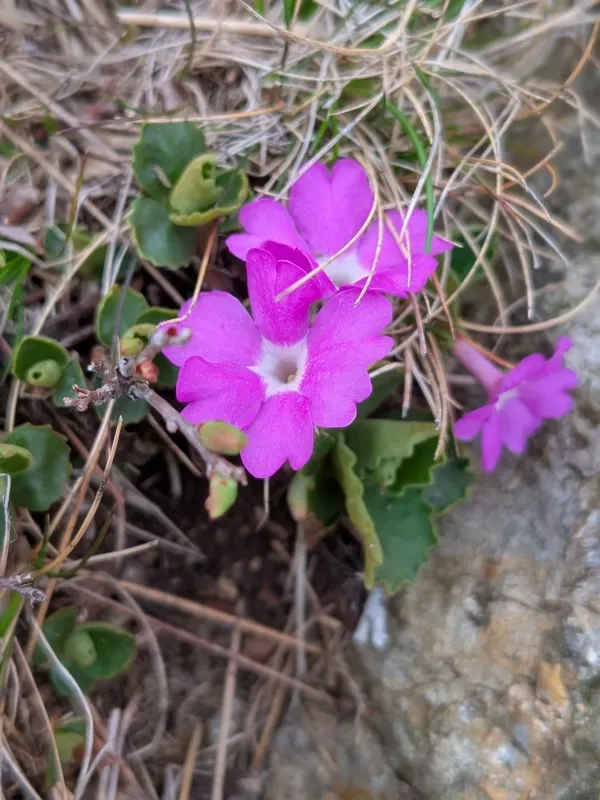
Description
Sowing dates
The seeds of Primula hirsuta require a period of cold stratification to break dormancy. Sowing is typically carried out in late autumn or early winter, allowing natural temperature fluctuations to prepare the seeds for germination in spring.
For container cultivation, seeds are sown on the surface of a moist, gritty substrate and not covered, as they are light-dependent. The containers are kept in a cold frame where temperatures remain cool, usually between 5 to 10 degrees Celsius.
Germination can be irregular and slow, often taking several weeks or even months. During this period, it is crucial to keep the substrate consistently moist but not waterlogged to prevent the seeds from drying out or rotting.
Once the seedlings have developed their second true leaves, they should be pricked out into individual pots. Using a well-draining alpine soil mix ensures that the young roots receive the necessary oxygen for healthy development.
Transplanting into the permanent garden site is best performed in mid-summer or early autumn, giving the plants sufficient time to establish a strong root system before the arrival of harsh winter temperatures.
Growing requirements
Primula hirsuta is a member of the Primulaceae family, native to the European Alps. It thrives in cool, alpine conditions and requires a position in the garden that mimics its natural habitat, typically on slopes or rock gardens.
The soil must be exceptionally well-draining, preferably a mixture of loam, sand, and grit with a neutral to slightly acidic pH. Heavy clay soils are unsuitable and will almost certainly lead to root rot during the dormant winter months.
Moisture management is critical; while the plant enjoys a steady supply of moisture during the growing season, it is highly sensitive to stagnant water. Proper site selection on a slight incline facilitates natural water runoff.
Exposure to direct, intense midday sun should be avoided in warmer climates, as the hairy leaves can scorch easily. A location with morning sun and afternoon shade is considered optimal for maintaining plant vigor.
During the winter, the plant enters a period of dormancy. While it is fully cold-hardy, it benefits from a layer of coarse gravel mulch around the crown, which prevents the foliage from touching damp soil and reduces the risk of decay.
Main diseases and pests
The primary threats to Primula hirsuta are various fungal pathogens, specifically crown and root rot. These diseases are almost always exacerbated by poor drainage and excessive humidity around the base of the plant.
Slugs and snails are the most common pests, as they are attracted to the succulent, hairy foliage. Physical barriers, such as sharp grit or copper tape around the planting area, are effective ways to protect the plants from these mollusks.
In seasons with high temperatures and low humidity, the plant may be attacked by spider mites. Regular monitoring of the leaf undersides is recommended, and if an infestation is detected, it should be treated with appropriate acaricides.
General sanitation, including the prompt removal of dead or decaying leaves, is essential to minimize the spread of spores. Keeping the garden area free of debris helps maintain good airflow, which is a natural deterrent to many pests.
- Regular application of preventative fungicides.
- Implementation of slug control measures.
- Frequent inspections of foliage for mite damage.