
Primula glaucescens
Primula glaucescens
Description
Growing requirements
Primula glaucescens is a herbaceous perennial plant belonging to the Primulaceae family. It is native to the alpine regions of Southern Europe, specifically flourishing in the limestone mountainous environments of the Alps, where it typically grows in rocky crevices and gravelly slopes.
In terms of cultivation, this species is considered a highly specialized plant that requires precise conditions mimicking its natural mountain habitat. It thrives in cool climates and is generally not suitable for cultivation in regions with hot, humid summers, which often lead to premature plant decline.
The substrate requirements for successful growth include well-draining, calcareous, and mineral-rich soils. A stony or gravelly medium is essential to prevent moisture accumulation around the crown, as the species is highly susceptible to root rot if the soil remains saturated for extended periods.
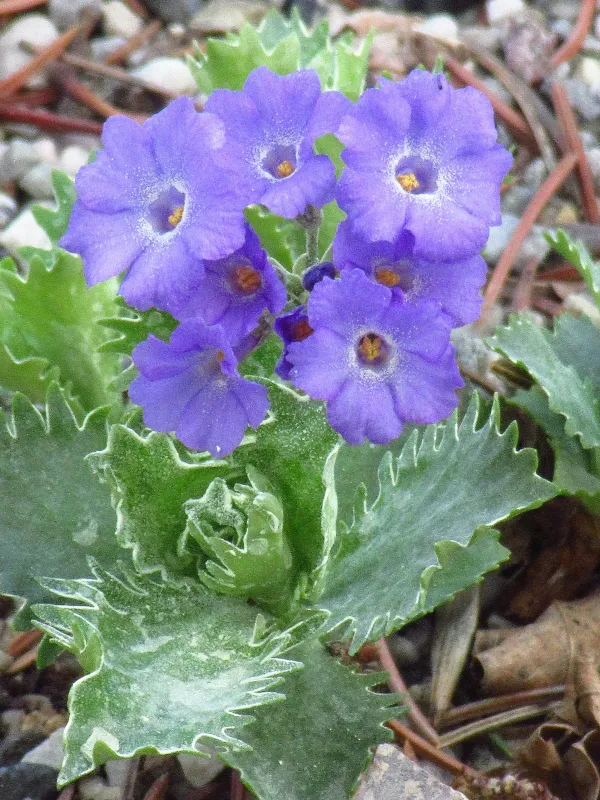
Botanically, the plant is characterized by its glaucous (bluish-grey) leaves that form a compact basal rosette, which provides the species with its specific appearance. The flowers emerge on short scapes, presenting a range of pink to purple shades, which bloom during the late spring season.
The primary use of Primula glaucescens is decorative, specifically in alpine rock gardens or specialized botanical collections. It is not an agricultural crop in the traditional sense but remains a highly valued specimen for alpine enthusiasts and rock garden horticulture due to its unique appearance and rarity.
Main diseases and pests
The most significant threats to this species in cultivation are fungal pathogens, specifically those causing crown and root rot, which are triggered by stagnant water and high humidity. Maintaining excellent drainage and good air circulation around the base of the plant is the most effective preventative measure.
Pest issues include common garden mollusks like slugs and snails, which can graze heavily on the foliage. Additionally, in indoor or greenhouse cultivation, small insects such as aphids or spider mites can infest the leaves, requiring prompt identification and mild treatment to prevent structural damage.