
Primula floribunda
Primula floribunda
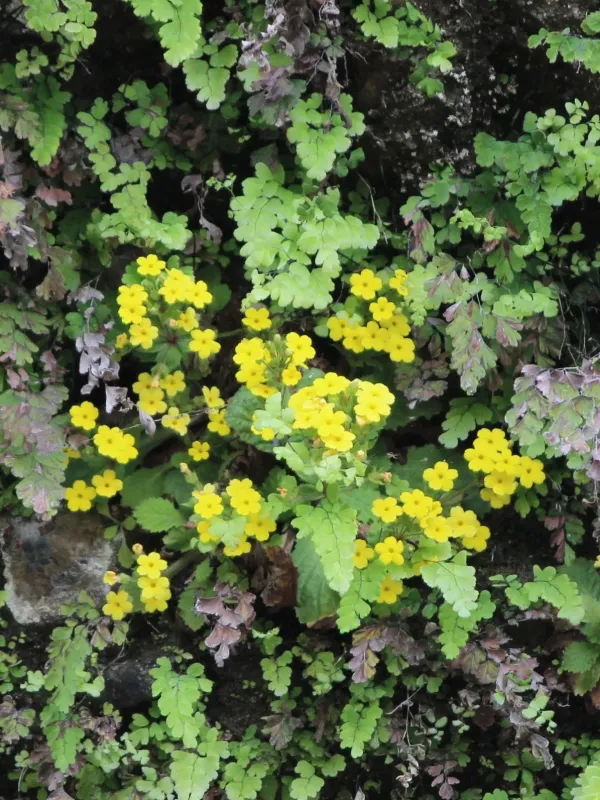
Description
Sowing dates
Primula floribunda, a member of the Primulaceae family, is a popular ornamental crop often cultivated in greenhouse environments for its vibrant flowers.
The seeds are tiny and require surface sowing on a fine, well-drained substrate, as they need light to germinate properly during the initial stage.
During the germination phase, it is essential to maintain high humidity levels and a stable temperature range of 18-20 degrees Celsius for optimal success.
After the seedling emergence, the temperature should be slightly reduced to encourage sturdy growth and prevent the young plants from becoming leggy.
Transplanting seedlings into individual containers is typically done when they reach the two-leaf stage, ensuring that the root system is handled with care.
Growing requirements
This species thrives in cool environments, making it ideal for temperate greenhouse production where temperatures can be managed strictly throughout the season.
Soil requirements include a lightweight, nutrient-rich peat-based mix that offers excellent water retention alongside sufficient drainage to prevent root issues.
Adequate ventilation is critical, as stagnant air increases the likelihood of fungal outbreaks, particularly during periods of high ambient humidity.
Bright, indirect light is required to stimulate flower development, while full sun exposure must be avoided to prevent thermal stress and leaf burning.
Regular fertilization with balanced liquid nutrients is recommended during the active growth period to support the plant's metabolic demands and flowering.
Main diseases and pests
Botrytis, or gray mold, is a major threat to the crop, manifesting as fuzzy spots on leaves and flowers when environmental conditions are excessively damp.
Root rot caused by pathogens like Phytophthora and Pythium remains a significant concern, usually triggered by poor drainage or overwatering practices.
Aphids and spider mites are frequent pests, often appearing when the greenhouse climate becomes too warm or the air circulation is inadequate for the plants.
Integrated pest management strategies, including the use of sticky traps and biological control agents, help maintain the crop in a healthy condition.
Good sanitation practices, such as removing dead foliage and cleaning tools, are essential to minimize the risk of infection and overall plant health decline.