
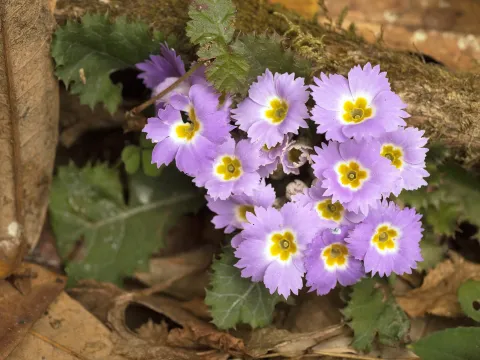
Primula irregularis
Primula irregularis
Primula irregularis is an elegant perennial plant belonging to the Primulaceae family, known for its specific growth habits and ornamental value in shaded landscapes.
What the section contains
Primula irregularis
Propagation is typically achieved through seeds, which must undergo a period of cold stratification to break dormancy and ensure consistent germination rates.
Sowing in autumn is the preferred method for outdoor conditions, allowing the seeds to experience natural temperature fluctuations required for successful development.
For indoor sowing, containers should be filled with a well-draining, sterile potting mix to support early growth stages and prevent potential seedling diseases.
Seeds are surface-sown as they require light for germination, and they should be pressed gently into the substrate without covering them with soil layers.
The culture thrives in partial shade conditions, making it an excellent choice for woodland gardens or north-facing border areas with indirect sunlight.
Soil requirements focus on high organic matter content, excellent drainage, and the ability to maintain consistent moisture levels throughout the growing season.
Regular irrigation is essential, especially during dry spells, to maintain the turgor pressure of the leaves and promote healthy inflorescence development.
pH balance of the growing medium should be slightly acidic to neutral to ensure optimal nutrient uptake and general plant health for this specific species.
Mulching the surrounding soil with leaf mold can help regulate ground temperature and moisture levels while providing necessary nutrients as the mulch decomposes.
Root rot is the most significant threat, often resulting from poor soil structure, lack of drainage, or over-irrigation during dormant or cold periods.
Pests such as slugs and snails are highly attracted to the succulent foliage, often causing significant aesthetic damage if not monitored during humid weather.
Spider mites can become an issue in overly warm and dry environments, leading to leaf discoloration and a general decline in plant vigor if left untreated.
Fungal pathogens like powdery mildew may appear during periods of poor air circulation, necessitating the use of targeted fungicides or improved spacing.
To maintain plant health, gardeners should perform regular sanitation by removing dead or yellowing leaves to reduce the presence of overwintering pests.