
Primula flaccida
Primula flaccida
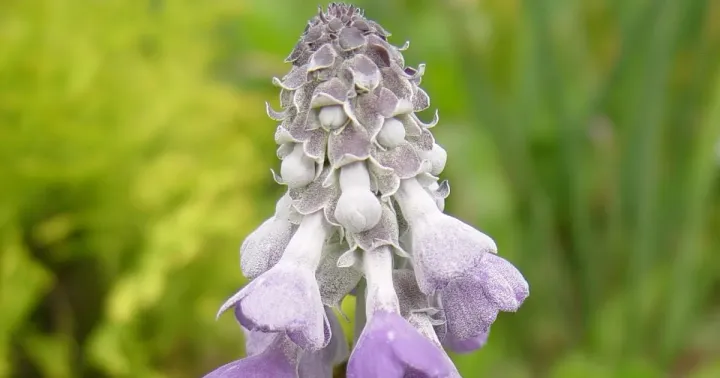
Description
Sowing dates
Sowing Primula flaccida requires careful preparation as the seeds are small and sensitive to light. The most effective method is sowing during autumn or early spring, ensuring the seeds undergo a mandatory period of cold stratification to break dormancy.
In a controlled environment, seeds should be surface-sown on a moist, sterile, peat-based medium. Press them gently into the soil without covering them too deeply, as exposure to light is crucial for germination.
Temperature management is key to success; a cycle of cooling followed by mild warmth (around +15 to +18 degrees Celsius) mimics the mountain climate of its native habitat. Keep the surface consistently moist using a fine mist sprayer.
Germination can be erratic and slow, sometimes taking several weeks to complete. Patience is necessary as seedlings emerge and begin to establish their root systems before the first true leaves appear.
Once seedlings are large enough to handle, transplant them into individual cells with well-draining soil. Gradually acclimatize the plants to outdoor conditions before final planting in the garden.
Growing requirements
Primula flaccida, belonging to the Primulaceae family, is a distinct perennial known for its nodding, bell-shaped violet-blue flowers. Originating from the high-altitude regions of Tibet and the Himalayas, it prefers cooler environments.
This crop thrives in partial shade or locations with filtered sunlight. It is particularly well-suited for rock gardens or specialized alpine beds where the temperature remains moderate and the air is fresh.
The soil must be rich in organic matter, loose, and possess excellent drainage properties. Primula flaccida cannot tolerate waterlogged conditions, as its root system is prone to rot in stagnant moisture.
Consistent moisture is required throughout the growing season, but the soil should never be soggy. Using coarse organic mulch helps regulate soil temperature and moisture levels, mimicking the natural mountain environment.
- Maintain moderate soil acidity for optimal nutrient uptake.
- Avoid overhead watering to keep foliage dry.
- Apply a dilute liquid fertilizer sparingly during the peak growing season.
Main diseases and pests
The primary threats to Primula flaccida are fungal infections, including crown rot and gray mold (Botrytis). These conditions are exacerbated by poor ventilation and excessive surface humidity around the leaf rosette.
Powdery mildew may occur during periods of fluctuating temperatures and high humidity. Effective control involves improving airflow around the plants and removing any infected leaves to prevent the spread of spores.
Slugs and snails are the most damaging pests, often feeding on the tender leaves and flowers at night. Protecting the base of the plants with crushed eggshells or using commercial baits can minimize the damage.
Aphids can occasionally infest the flower spikes during hot, dry spells. Regular monitoring and the use of insecticidal soaps are usually sufficient to manage these infestations without harming the plant.
Good cultural practices, such as proper spacing and keeping the area free of garden debris, are the most effective ways to maintain the health and vigor of your Primula flaccida plants.