
Primula frondosa
Primula frondosa
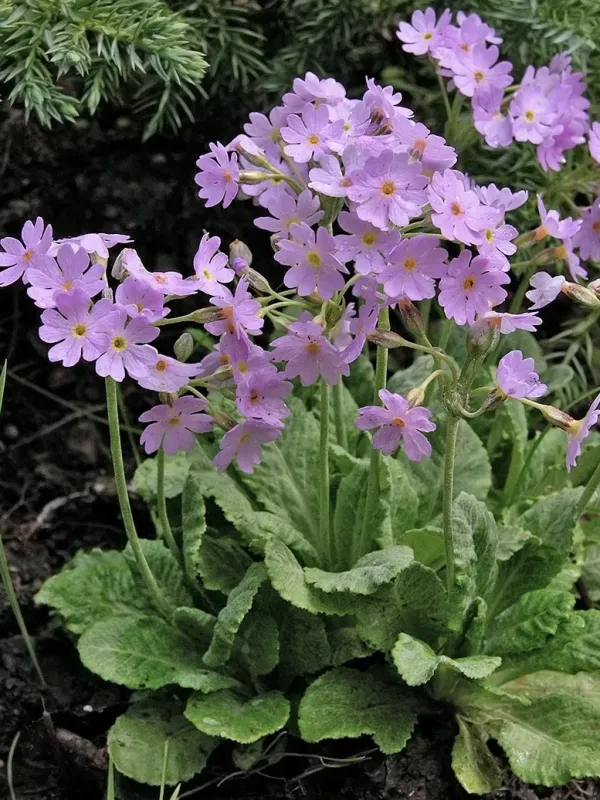
Description
Sowing dates
Seeds of Primula frondosa should be sown in late winter or early spring, typically between February and March, using the seedbed method. Since the seeds are extremely small, they should be sown on the surface and pressed gently into the substrate without covering them with soil.
To ensure successful germination, the seeds require a stratification period in cool conditions for 2–4 weeks. This process simulates natural wintering and significantly increases the overall germination rate of the seeds.
Seedlings emerge unevenly, so it is crucial to maintain consistent humidity in the growing medium and prevent the top layer from drying out. Once two true leaves appear, the seedlings should be carefully pricked out into individual pots or nursery trays.
Transplanting into the permanent outdoor location should occur after the risk of night frost has passed, usually in May. The plant tolerates transplantation well, provided that a root ball is maintained during the move.
While seed propagation is common, clonal division of mature clumps after flowering is an effective method to maintain the specific characteristics of individual cultivars.
Growing requirements
Primula frondosa belongs to the Primulaceae family and is native to the high-mountain regions of the Balkans. This plant thrives in areas with partial shade, as intense midday sun can easily scorch the foliage.
The culture requires fertile, humus-rich, and well-drained soil with a neutral or slightly acidic pH. It is vital to prevent water stagnation at the roots, as excessive moisture combined with cold temperatures can lead to rapid rot of the root crown.
During the active growth season, the plant needs regular but moderate watering. The soil around the plant should remain slightly moist but never waterlogged; adding perlite, sand, or fine gravel to the soil mix helps improve drainage.
For optimal development, Primula requires balanced mineral fertilizers with low nitrogen levels. Application should occur in early spring before mass flowering and again after blooming to aid the plant in recovery.
The species is highly winter-hardy; however, in regions with snowless winters and severe temperature fluctuations, a light protective cover of spruce branches or dry peat is recommended to protect the growth buds.
Main diseases and pests
The primary pest for Primula is the spider mite, which flourishes in dry air conditions. Upon the first signs of infestation, plants should be treated with acaricides according to the manufacturer's instructions.
In high humidity and poor ventilation, plants are susceptible to grey mold (Botrytis). Preventing overcrowding and promptly removing dead or decaying leaves is essential for minimizing this disease risk.
The root system of Primula frondosa may be targeted by slugs and snails, particularly during wet seasons. Using barrier protection methods or specialized molluscicide granules is advised for effective control.
Incorrect watering regimes or heavy clay soils are common causes of root rot diseases. Infected plants must be isolated or removed, and the surrounding planting site should be treated with fungicides to stop the spread.
Aphids can also damage young flower stalks by feeding on sap, leading to deformed buds. Regular inspection and the use of insecticides at the early stages of an outbreak allow for effective control of insect populations.