
Primula florindae
Primula florindae
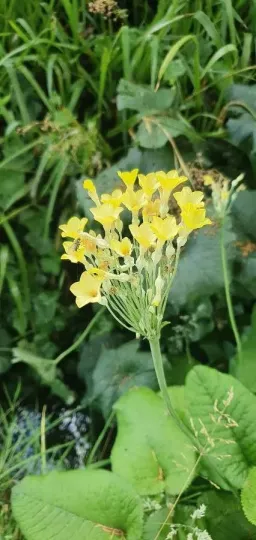
Description
Sowing dates
Seeds of Primula florindae are best sown during the winter or early spring to undergo natural stratification. The optimal time is late January or February, as the seeds require a period of cold to germinate successfully.
Sowing should be done on the surface of a light, moisture-retentive substrate, as the seeds are tiny and require light to sprout. It is recommended to cover the seed trays with plastic or glass to maintain a high level of humidity.
Once seedlings appear, the temperature should be gradually lowered, and the young plants should be acclimatized to fresh air to prevent spindly growth. Pricking out is performed when two to three true leaves emerge, transferring the seedlings into individual pots.
Transplanting into the open ground is best carried out in late spring or early summer, after the danger of frost has passed. Primula florindae is known for its slow growth during the first year, requiring gentle care and protection from drying out.
For mature specimens, division of the root clump is an effective propagation method, usually performed after flowering. This practice helps maintain the plant's vigor and allows for quick multiplication within the garden beds.
Growing requirements
Primula florindae, belonging to the Primulaceae family, is one of the largest and most robust species in the genus. In its native habitat in the high-altitude regions of Tibet, it thrives in wet meadows and along the banks of mountain streams.
This species is extremely moisture-demanding, making it essential to choose locations with high water tables for successful cultivation. It is perfectly adapted to wet conditions and can even be planted in shallow water at the margins of ponds.
The plant prefers a cool climate and semi-shaded positions, as direct sunlight during the hottest part of the day causes leaves to wilt and lose their aesthetic appeal. A spot under the canopy of trees or the north side of a building is ideal.
The soil must be rich in organic matter, well-structured, and consistently moist. Incorporating well-rotted compost or leaf mold is recommended to mimic the nutrient-rich, moist conditions of its natural environment.
While the plant is quite frost-hardy, a light covering of evergreen boughs is advisable in regions with little snow cover to protect the crown. Winter success requires good drainage, as stagnant water combined with freezing temperatures can cause root rot.
Main diseases and pests
Primula florindae is frequently targeted by slugs and snails, which are particularly active in the damp conditions the plant loves. These pests can quickly defoliate the plants, causing significant damage in a short period.
Poor ventilation and overcrowded planting conditions increase the risk of fungal diseases, such as gray mold (Botrytis). It is vital to ensure adequate air circulation and avoid overhead watering in the evenings to keep foliage dry.
Root rot can occur if the site is poorly managed and water becomes stagnant without adequate oxygenation. To manage pathogens, it is recommended to promptly remove dead or decaying tissue and use fungicides if signs of infection appear.
Aphids may occasionally infest the flower spikes, sucking sap and weakening the overall development of the plant. Monitoring and using insecticidal soaps or organic treatments can effectively control aphid populations.
Routine maintenance, such as clearing weeds and debris from around the plants, significantly helps in reducing pest pressure and improving the overall health of the planting area.