
Primula latifolia
Primula latifolia
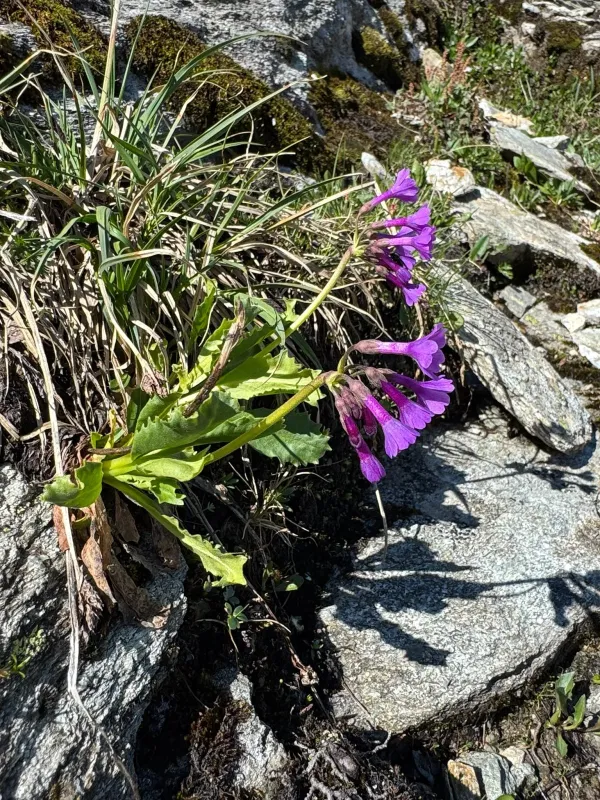
Description
Sowing dates
Primula latifolia is a distinctive member of the Primulaceae family, native to the high altitudes of the Alps and Pyrenees. Successful propagation relies heavily on proper seed handling and cold stratification.
Seeds should be sown in late autumn or early winter in containers to undergo natural stratification. This cold period is essential for breaking seed dormancy and ensuring uniform germination in spring.
For artificial stratification, keep moist seeds in a refrigerator at approximately +4°C for at least six to eight weeks. After this period, place the containers in a cool, well-lit location.
The seeds are light-dependent for germination, so they must be surface-sown without covering them with soil. Maintaining high humidity with a plastic cover helps stabilize conditions until the sprouts emerge.
Seedlings should be pricked out into individual pots once they develop their first set of true leaves. Transitioning the young plants to the garden should be done gradually to harden them off.
Growing requirements
This species thrives in cool, alpine-like conditions. It performs best in partial shade, particularly avoiding the intense, direct sun of the midday hours which can damage the leaves.
The soil requirements for Primula latifolia are specific; it demands a well-draining substrate with a neutral to slightly alkaline pH. Adding grit or limestone chippings is highly recommended.
Moisture management is critical; while the plant enjoys regular watering, it must never sit in waterlogged soil. Proper drainage is the primary defense against root-related problems.
The plant is highly frost-hardy but prefers stable winter conditions. In areas with fluctuating freeze-thaw cycles, light protective covering with pine needles or similar mulch is beneficial.
Fertilization should be kept minimal. Applying a dilute, balanced liquid fertilizer once or twice during the spring growth period is sufficient to support healthy foliage and flowering.
Main diseases and pests
Fungal issues such as gray mold (Botrytis) are common during periods of high humidity and poor air circulation. Proper spacing between plants is the best preventative measure against these infections.
Root rot is the most serious threat, usually caused by heavy, water-retaining soils or over-irrigation. Once a plant is significantly affected by root rot, it is often difficult to save.
Pests like aphids and spider mites are frequent visitors during hot and dry spells. Regular inspection of the undersides of the leaves can help identify infestations early before they spread.
Gastropods, including slugs and snails, are opportunistic feeders that can destroy the foliage of Primula latifolia overnight. Using traps or natural barriers can help minimize damage to the crowns.
Nematodes are another potential problem that can cause stunted development and distorted foliage. Using high-quality, sterilized soil and avoiding contaminated tools are key to long-term prevention.