
Primula glabra
Primula glabra
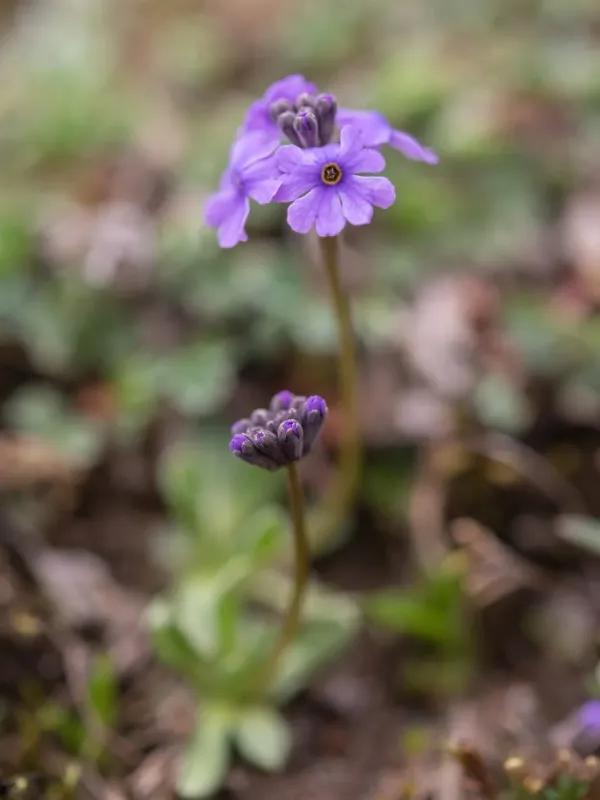
Description
Sowing dates
Primula glabra is a member of the Primulaceae family, known for its compact habit and preference for high-altitude environments.
Propagation is primarily achieved through seeds, which require a period of cold stratification to break dormancy before germination occurs.
Sowing should be done in late autumn or early spring using a well-drained, sterile seed-starting mix to prevent damping-off diseases.
The seeds are minute and should be surface-sown, pressed gently into the substrate, and kept in a cool, shaded environment.
Seedlings need to be transplanted with care into individual pots once they develop true leaves to avoid damaging their sensitive root systems.
Growing requirements
The plant thrives in cool climates, mimicking the conditions of its native Himalayan habitats where air moisture remains consistently high.
Soil requirements include excellent drainage, a neutral to slightly acidic pH level, and a significant content of organic humus.
Partial shade is essential for the health of this species, as intense direct sunlight can cause leaf scorching and heat stress.
Consistent soil moisture is necessary; however, the soil must never become waterlogged, as this leads to immediate physiological distress.
Using a stone mulch around the base of the plant helps maintain a cool root environment and prevents direct contact between leaves and soil.
Main diseases and pests
The most significant threat to the survival of Primula glabra is root rot, usually caused by improper soil aeration or over-watering.
Slugs and snails are the primary pests that damage the succulent foliage, especially during periods of high humidity and rainfall.
Fungal diseases like powdery mildew may occur in areas with poor airflow, necessitating wider spacing between individual specimens.
Insects like aphids can occasionally infest the flower stalks, requiring manual removal or application of soft horticultural soaps.
Good agricultural practice emphasizes sanitation, such as removing dead foliage to reduce the habitat for pathogens and pests.