
Primula algida
Primula algida
The sowing of Primula algida seeds should ideally be done in late autumn, allowing the seeds to undergo natural winter stratification, which is critical for dormancy breaking.
What the section contains
Primula algida
If indoor sowing is preferred, seeds must be kept in a cold environment (2–4 degrees Celsius) for about six weeks to simulate winter conditions before moving them to a warmer spot.
A fine-textured, sterile seed-starting mix should be used, and seeds should be pressed firmly onto the surface without covering them with soil, as they require light to germinate.
Maintaining consistent humidity around the seeds is vital, often achieved by covering the container with clear plastic or glass until the first cotyledons emerge.
Young seedlings require gentle handling; transplanting them into individual containers should be done only when they have developed several true leaves to ensure survival.
Primula algida is a perennial plant belonging to the Primulaceae family, naturally found in high-altitude meadows and cold mountain ranges across Eurasia.
It demands cool growing conditions and thrives in well-draining, humus-rich soil that retains moisture but never becomes waterlogged, which is a common cause of failure.
In a horticultural setting, it is best suited for rock gardens, north-facing slopes, or alpine troughs where the roots can stay cool and protected from extreme midday heat.
While it is tolerant of cold temperatures, it needs protection from late spring frosts once it has started its active growth phase in the early season.
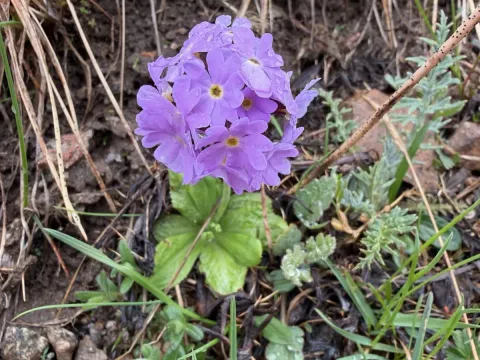
The plant features basal rosettes of leaves and produces elegant, often violet or purple umbellate inflorescences that bloom in late spring to early summer.
Fungal pathogens such as root rot and stem rot are the primary threats, especially if the plants are situated in areas with poor drainage and stagnant air circulation.
Slugs and snails are notorious for feeding on the fresh, succulent foliage of Primula species during wet spring weather, necessitating physical or organic barriers.
Aphids can accumulate on the flower stalks, leading to stunted growth and the potential transmission of mosaic viruses, which can permanently damage the plant.
Botrytis, or grey mold, may develop in overly humid, crowded conditions, requiring the removal of dead or decaying leaf tissue to maintain a hygienic growing environment.
Regular monitoring of the underside of leaves for signs of pests or spotting is recommended as a standard preventive agronomic practice for high-value perennials.