
Primula amoena
Primula amoena
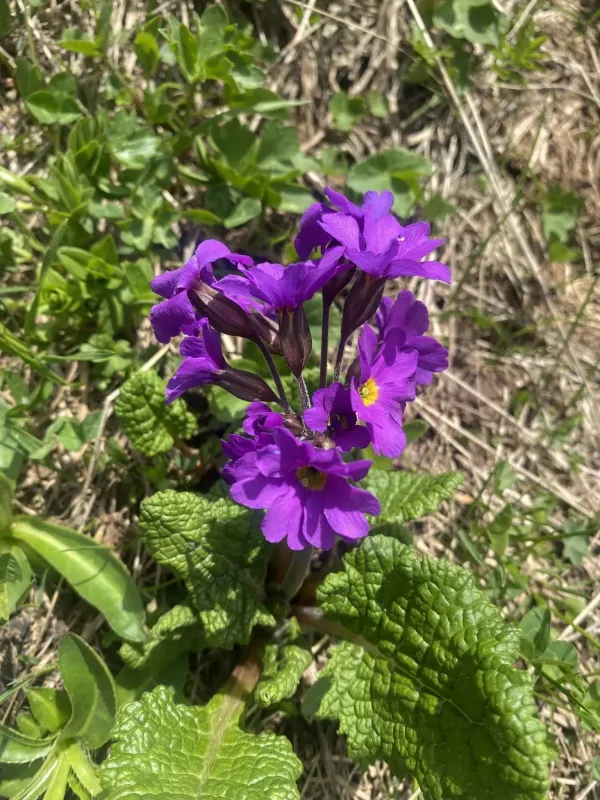
Description
Sowing dates
Primula amoena is typically propagated through seeds, which require a cold stratification process to germinate successfully. In natural conditions, this occurs during the winter period in the ground.
For controlled propagation, seeds should be sown in autumn or stratified artificially in a refrigerator for at least 4 to 6 weeks. This mimics the environmental triggers necessary for breaking seed dormancy.
The substrate for sowing should be light and well-draining, consisting of a mix of potting soil, peat, and sand. Maintain consistent moisture levels throughout the germination process.
Once seedlings develop their first true leaves, they should be pricked out into individual pots or a nursery bed. Adequate spacing is essential to prevent overcrowding and ensure healthy air circulation.
Transplanting to the permanent site is best performed in the second year of growth. Ensure the plants are acclimated gradually before moving them to open field conditions to avoid transplantation shock.
Growing requirements
Belonging to the Primulaceae family, Primula amoena is a mountain-origin perennial that thrives in alpine or subalpine conditions. It prefers cool, moist environments with protection from extreme heat.
The ideal soil for this species is nutrient-rich, humus-heavy, and slightly acidic or neutral. Excellent drainage is non-negotiable to prevent root rot during the dormant or active growing phases.
Partial shade is the optimal location for this plant. While it needs light for flowering, direct, intense sun can cause leaf scorch and dehydration, significantly reducing the lifespan of the plant.
Watering requirements are consistent throughout the growing season. The soil must remain damp but not saturated; drip irrigation or careful manual watering is recommended to avoid getting water on the leaves.
Mulching is a key agronomic practice for this culture. It helps regulate soil temperature and moisture levels, which is crucial for the root health of this delicate primrose species.
Main diseases and pests
Root rot and crown rot represent the most significant threats to the survival of Primula amoena, particularly in poorly drained soils. Improving drainage and avoiding overwatering are the primary prevention methods.
Powdery mildew can infect foliage during seasons with fluctuating humidity. Application of sulfur-based fungicides and ensuring adequate airflow between plants can significantly reduce the risk of infection.
Gastropods, such as slugs and snails, are frequent pests that feed on the soft, succulent foliage of the plant. Barriers like copper tape or environmentally friendly bait are effective management tools.
Aphids and spider mites may infest the plant during hot, dry weather conditions. Regular monitoring of the undersides of leaves is recommended for early detection and targeted intervention.
Sanitation practices, such as removing dead or decaying foliage at the end of the season, are essential to prevent the overwintering of pathogens and harmful insect larvae in the garden soil.