
Pindus soldanella
Soldanella pindicola
Description
Growing requirements
Pindus soldanella (Soldanella pindicola) is a delicate alpine perennial belonging to the Primulaceae family, highly prized in specialized gardening for its unique bell-shaped flowers.
Native to the mountain regions of the Pindus range, this species is naturally adapted to cold, high-altitude climates where moisture levels remain consistently high throughout the spring thaw.
Successful cultivation requires a location that mimics its natural habitat: partial shade, cool soil temperatures, and a substrate that is both moisture-retentive and perfectly drained.
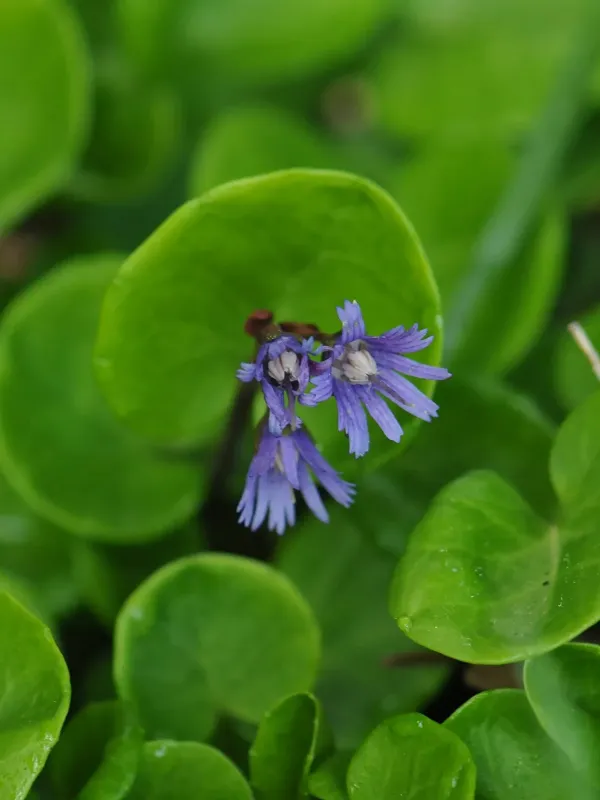
The botanical structure involves a basal rosette of rounded, leathery leaves and slender flower stalks that rise early in the season, often while snow cover is still receding.
Gardeners should prioritize creating a specialized alpine mix, usually incorporating gravel or coarse sand, to prevent the compaction that the fine, sensitive root system cannot tolerate.
Main diseases and pests
Root rot caused by poor drainage or excessive stagnant water is the primary cause of mortality for this species in garden environments, particularly during warmer months.
Slugs and snails are major pests that target the foliage and emerging flower buds; consistent monitoring and the application of physical barriers are essential for survival.
Fungal diseases, including Botrytis or gray mold, can proliferate in stagnant air conditions, making proper spacing and good ventilation in the rock garden vital.
Heat stress is a critical factor; if summer temperatures exceed the plant's physiological tolerance, it may enter premature dormancy or succumb to opportunistic infections.
Regular maintenance, including the removal of dead leaves to prevent rot, is a standard requirement to keep the plant healthy and vigorous throughout the year.