
Primula deuteronana
Primula deuteronana
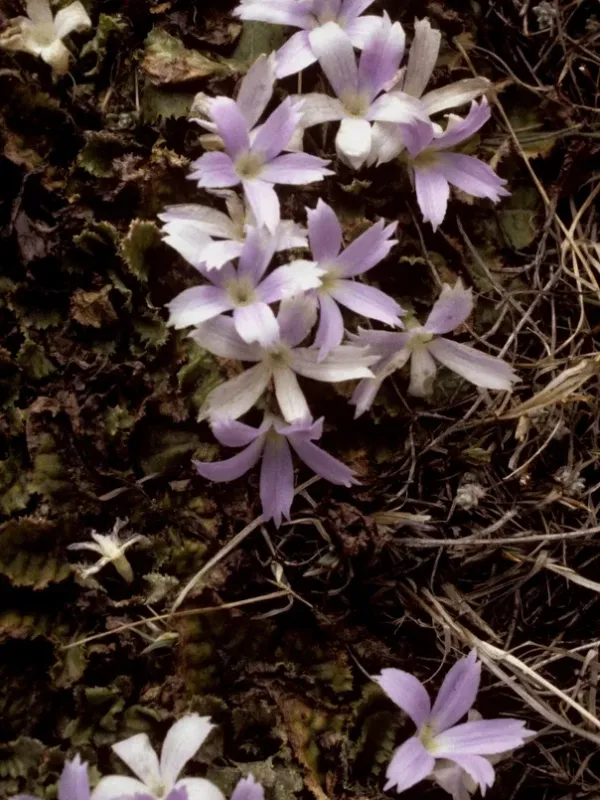
Description
Sowing dates
Sowing Primula deuteronana seeds requires strict adherence to a stratification regime, as the seeds need cold exposure to trigger successful germination.
The optimal time for sowing is late autumn or early winter, allowing the seeds to undergo a natural cooling cycle either in open ground or a cold frame.
When sowing into containers, the substrate must be light and well-draining to prevent water stagnation and seed rot during the initial development phase.
The depth of seed coverage should be minimal, with only a light dusting of fine sand or vermiculite used to maintain appropriate moisture levels.
Seedlings emerge unevenly, making it essential to remain patient and maintain consistent soil moisture until the first true leaves have fully developed.
Growing requirements
Primula deuteronana belongs to the Primulaceae family and is a miniature alpine plant, making it an excellent choice for rock garden enthusiasts.
The plant has high demands for drainage: in its natural mountain habitat, it thrives on slopes, making water stagnation in the root zone lethal for the species.
Sites with partial shade should be selected for planting, as intense direct sunlight can cause leaf scorch and dry out the root ball too quickly.
The soil should be slightly acidic or neutral, rich in humus, and contain gravelly inclusions to replicate the natural conditions of alpine meadows.
Throughout the growing season, the plant requires regular but moderate watering, avoiding direct contact between water and the leaf rosette to prevent rot.
Main diseases and pests
The primary threat to Primula deuteronana is root and stem rot, which develops quickly in conditions of excessive soil moisture or poor drainage.
Slugs and snails frequently damage the decorative foliage, feeding on soft leaves and flower stems during damp weather, requiring regular monitoring.
Under greenhouse conditions or poor air circulation, the plant may be susceptible to powdery mildew, necessitating the use of appropriate fungicides.
Aphids can colonize young flower stalks, sucking plant juices and hindering overall growth, which significantly reduces the plant's aesthetic appeal.
Disease prevention involves maintaining a clean garden area, timely removal of dead plant material, and ensuring adequate air circulation around the plants.