
Bullata primrose
Primula bullata
Description
Sowing dates
Seeds of Primula bullata are sown mainly during the winter period, in January or February, to ensure proper stratification. The most effective method is late-autumn or winter sowing in containers placed outdoors to expose them to low temperatures.
To accelerate germination, it is recommended to use the cold stratification method at temperatures between 0 and +4 degrees Celsius for 4 to 6 weeks. Sowing should be done on the surface, as the seeds require sufficient light to activate growth processes.
The growing medium must be light, consisting of a mixture of peat, leaf mold, and sand in equal proportions. It is essential to maintain constant soil moisture until the first sprouts appear, while avoiding waterlogging of the substrate.
Pricking out the seedlings is performed at the stage of developing two or three true leaves. Transplanting is carried out into individual pots or a prepared cold frame, providing the plants with enough space for root system development.
Seedlings are transplanted into open ground after the threat of spring frosts has passed and the soil has sufficiently warmed up. The culture prefers gradual adaptation to outdoor conditions, so pre-hardening of the seedlings is a common practice.
Growing requirements
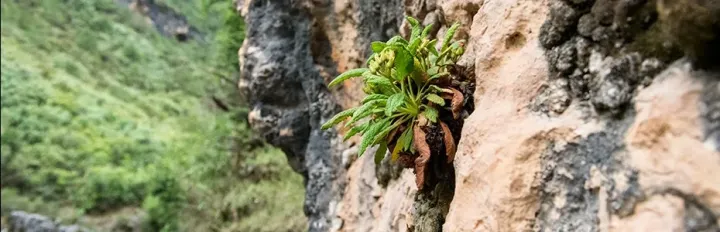
Primula bullata belongs to the Primulaceae family and is a perennial herbaceous plant. In its natural environment, it originates from the mountainous regions of Southwest China, which dictates its need for a cool climate.
The culture has strict requirements for light levels, preferring partial shade. Direct midday sunlight can cause leaf scorch and premature wilting of flowers, so the best planting sites are areas under tree canopies.
Soils for growing this primrose must be fertile, well-drained, and rich in humus. The plant does not tolerate heavy clay soils prone to waterlogging, as this leads to crown rot.
During the growing season, the plant requires regular but moderate watering. It is important not to let the root ball dry out, yet excess moisture is detrimental to this species of primrose.
For successful overwintering in temperate climates, light protection with dry leaves or spruce branches is recommended. The plant has moderate cold resistance but is sensitive to sharp temperature fluctuations during snowless winters.
Main diseases and pests
The main threat to the development of Primula bullata is fungal diseases that arise from poor moisture management. Among these, root rot is the most common issue occurring due to stagnant water around the roots.
Powdery mildew can affect the foliage during periods of high air humidity and poor air circulation. To prevent this, it is necessary to follow recommended spacing guidelines to ensure proper ventilation between individual plants.
Among pests, slugs and snails cause the most damage by eating young, succulent leaves. Control measures include manual collection, the use of mulching materials, or specific organic baits.
Spider mites may infest the plant in conditions of high temperatures and dry air. Regular inspection of the underside of the leaves allows for the early detection of pest colonies and the application of appropriate acaricides.
Nematodes can also cause growth suppression by attacking the root system. To prevent the spread of these parasites, one should avoid planting this culture after crops prone to similar diseases and perform soil disinfection if necessary.