
Parathesis
Parathesis
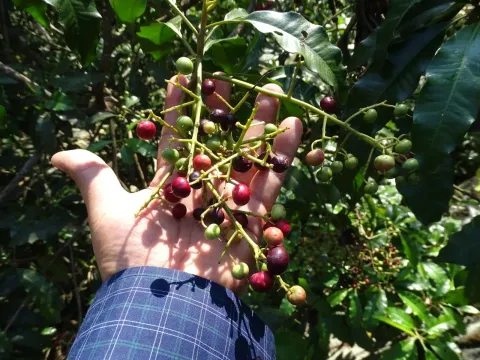
The genus Parathesis, a member of the Primulaceae family, consists of evergreen shrubs and small trees primarily native to the tropical and subtropical regions of the Americas. These plants are well-known for their clusters of small flowers followed by berries, which provide aesthetic value.
What the section contains

Parathesis
In their natural habitat, Parathesis species thrive in the understory of moist tropical forests. They require filtered or indirect sunlight to maintain their dark green foliage and prevent scorching, which can occur if the leaves are directly exposed to intense solar radiation for long periods.
The soil requirements involve a rich, well-draining substrate that mimics the forest floor. A mix high in organic matter, such as compost and peat, combined with perlite or coarse sand, ensures that the roots receive sufficient oxygen while retaining the necessary moisture levels.
Climate control is crucial for this genus. They are frost-intolerant and thrive best in environments where temperatures stay consistently between 20°C and 28°C. Cold drafts or sudden drops in temperature will cause significant physiological stress, often leading to leaf drop.
Water management is the pillar of successful cultivation for Parathesis. The soil should be kept consistently moist but never waterlogged. Regular misting is recommended to simulate high tropical humidity, especially during periods of active growth when the plant is pushing out new shoots and developing flowers.
Common threats to Parathesis include root diseases triggered by poorly aerated soil or overwatering. Fungal leaf spot diseases may also occur if ventilation is inadequate, causing the foliage to lose its luster and vitality over time.
Pest problems are frequently caused by spider mites and mealybugs, especially in indoor conditions with low humidity. These pests tend to congregate on the undersides of leaves, and if left unchecked, they can lead to severe stunting or the eventual death of the affected branches.