
Primula daonensis
Primula daonensis
Description
Growing requirements
Primula daonensis is a perennial herbaceous plant belonging to the Primulaceae family. Native to the high-altitude regions of the Alps, it is typically found in crevices of granitic rocks and on stony alpine slopes.
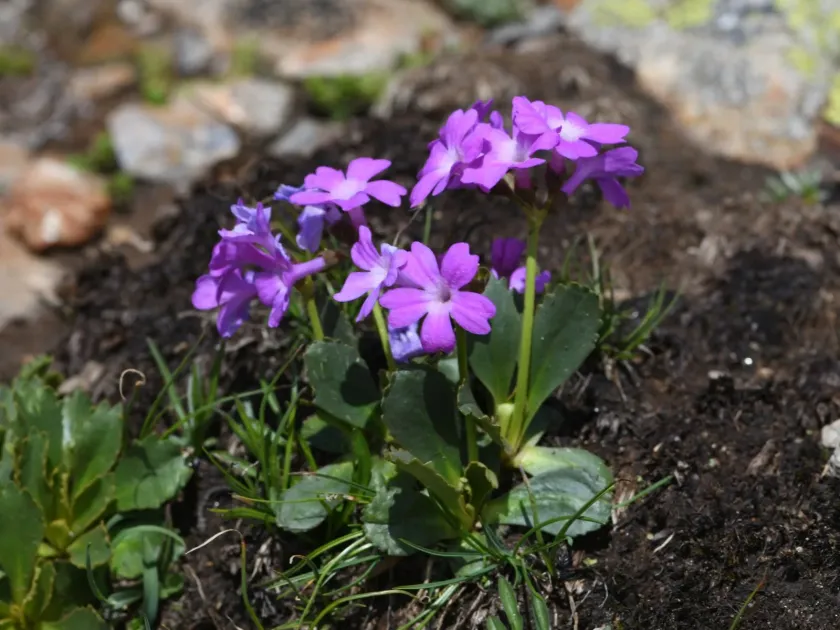
The plant grows in compact rosettes of glandular-pubescent leaves, which possess a sticky texture. Its flowers are generally pinkish to purple-violet with a distinct yellow eye, providing a striking visual display in its natural environment.
To cultivate this species successfully, growers must emulate its native alpine conditions. The most critical factor is the provision of excellent drainage, as the plant cannot tolerate waterlogged soils, which lead to root rot.
The soil should be stony, nutrient-poor, and slightly acidic or neutral. Rich, heavy, or overly organic soils are detrimental to this plant, often causing it to become elongated, lose its compact habit, and become susceptible to various physiological issues.
Primula daonensis is a prized specimen for rock gardens, trough plantings, and alpine collections. Its small stature and specific ecological niche make it a challenging yet rewarding subject for experienced alpine plant enthusiasts.
Main diseases and pests
The primary threat to the plant's health is winter moisture. Prolonged exposure to damp conditions can cause the crown of the plant to rot, which is why a top-dressing of grit or stone is essential to keep the foliage dry.
Slugs and snails are the most frequent pests, capable of consuming the succulent leaves overnight. Regular monitoring and the use of protective barriers are recommended to protect the plants during the active growing season.
Poor air circulation and high humidity can invite fungal infections, particularly Botrytis. Ensuring the planting site has good exposure to airflow is the most effective preventative measure against such diseases.
Soil overheating during the hottest summer days is a significant risk. Protecting the root system from direct sun exposure with rock mulch is a standard practice to ensure the plant remains cool and stress-free.
Nutrient deficiency or pH imbalances are secondary concerns that can lead to leaf chlorosis. Consistent monitoring of the growing medium and providing a well-balanced, sparse mineral environment is key to plant longevity.