
Bayern's Primrose
Primula bayerni
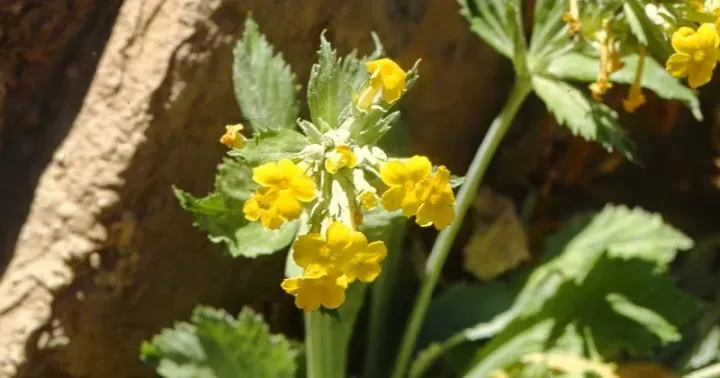
Description
Growing requirements
Bayern's Primrose (lat. Primula bayerni) is a herbaceous perennial flowering plant belonging to the Primulaceae family. Native to the mountainous regions of the Caucasus, this species thrives in subalpine and alpine environments.
Botanically, it is recognized by its dense basal rosette of leaves and delicate, pale-colored flowers. The plant is well-adapted to cooler climates and requires specific environmental conditions to maintain its structural integrity and health.
Regarding agronomic requirements, the plant demands well-draining, humus-rich soil with a neutral to slightly acidic pH level. Partial shade is essential, as the species is sensitive to intense direct sunlight, which can quickly dehydrate the plant tissue.
Agricultural techniques for this species include maintaining consistent soil moisture, which is critical for alpine varieties. Over-saturation must be avoided, as stagnant water can lead to the rapid development of root rots within the growing medium.
In ornamental horticulture, Primula bayerni is highly regarded for rock garden applications and alpine troughs. Its slow growth rate and unique origin make it a specialty crop for collectors and boutique nurseries focused on high-altitude flora.
Main diseases and pests
The primary threats to Primula bayerni are fungal pathogens, specifically those causing root and crown rot, often triggered by improper irrigation management or poor air circulation.
Insects such as aphids and spider mites frequently pose a risk to foliage health. Integrated pest management strategies, including the use of targeted systemic insecticides, are recommended to maintain plant vitality.
Environmental stress, such as extreme heat or prolonged drought, increases the plant's susceptibility to secondary infections, highlighting the need for a stable growing environment.
To prevent the spread of soil-borne diseases, it is recommended to practice crop rotation in container cultivation or to replace the top layer of substrate periodically.
Regular monitoring of leaf undersides is advised to detect early signs of spider mite infestations, allowing for immediate intervention before the damage becomes irreversible.