
Epidendrum centropetalum
Epidendrum centropetalum
Description
Growing requirements
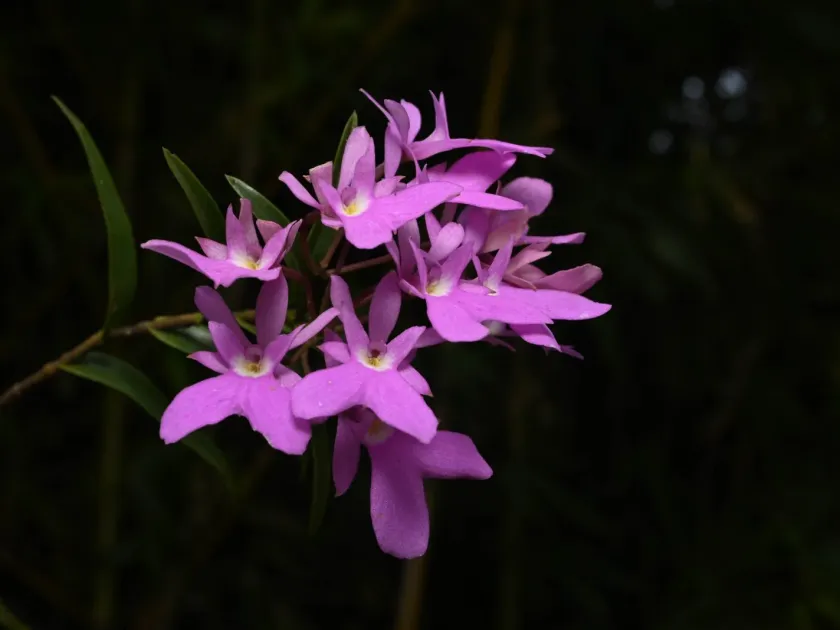
Epidendrum centropetalum is an epiphytic orchid species belonging to the Orchidaceae family. Native to the tropical mountainous regions of Central America, this plant thrives in humid conditions and often grows attached to tree trunks or rocky substrates.
Botanically, it is characterized by sympodial growth with reed-like stems and leathery leaves. The plant has a specialized root system capable of absorbing moisture and nutrients directly from the atmosphere, which is essential for survival in its natural canopy environment.
Cultivation requires bright, indirect light to mimic the dappled shade of forest trees. Direct sun exposure should be avoided to prevent foliar damage, while insufficient light levels will significantly reduce the chances of the plant producing blooms.
Soil requirements are non-traditional, as the plant needs a coarse, highly aerated growing medium. A blend of pine bark, charcoal, and perlite is commonly used to ensure that the roots do not remain waterlogged, which is a critical aspect of successful orchid care.
Climate control is vital, with an ideal temperature range of 20–25 degrees Celsius. Implementing a distinct diurnal temperature fluctuation, where night temperatures are slightly cooler than daytime levels, acts as a key physiological trigger for healthy growth and flower development.
Main diseases and pests
Pathogen susceptibility in Epidendrum centropetalum is primarily linked to moisture management. Overwatering leads to oxygen deprivation in the root zone, creating ideal conditions for Pythium and Phytophthora fungi to attack the plant's structural integrity.
Insect pests such as scale insects and spider mites are frequent threats, especially in indoor environments with low humidity. These pests damage the plant by feeding on the vascular system, which can cause stunted growth and a general decline in the plant's health.
Management of pest populations involves regular monitoring and the application of horticultural oils or systemic insecticides when necessary. It is crucial to inspect the undersides of leaves and leaf axils, as these are common hiding spots for various orchid pests.
Bacterial spot diseases can occur if water sits on the leaves or in the crown for extended periods. Improving air circulation around the plant is the most effective preventative measure against these infections, ensuring that foliage dries quickly after watering.
Maintaining a clean growing environment, including the removal of dead tissue and the use of sterilized tools, significantly reduces the spread of opportunistic viruses and bacteria. Proper hygiene is fundamental to ensuring the long-term vigor of this orchid species.