
Epidendrum boricuarum
Epidendrum boricuarum
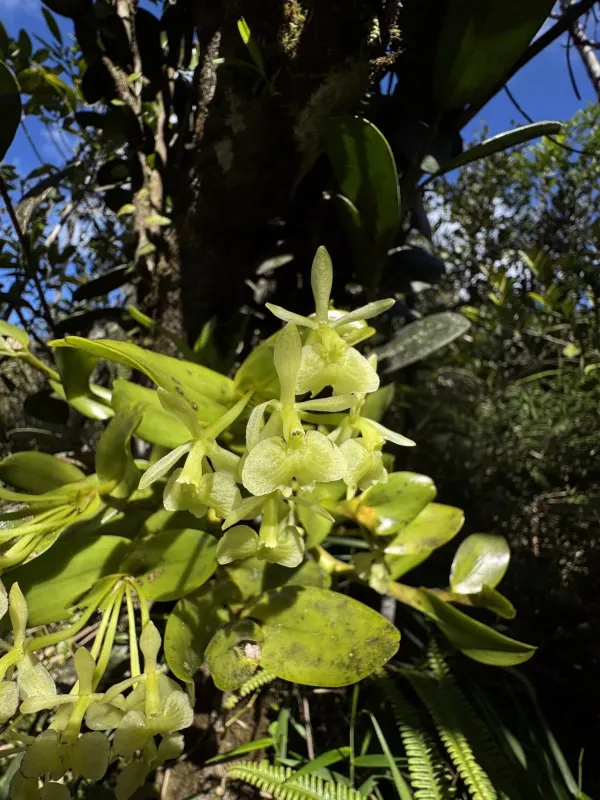
Description
Growing requirements
Epidendrum boricuarum is a unique species within the Orchidaceae family. Endemic to Puerto Rico, this orchid typically thrives in humid mountainous regions, often growing as a lithophyte on rocky surfaces, which influences its specialized substrate requirements.
The plant requires high humidity levels, ideally maintained between 70 and 80 percent. In a domestic or greenhouse setting, using ultrasonic humidifiers or humidity trays is essential to replicate its natural misty habitat effectively.
Temperature management is critical for this species; it prefers a stable range between 18 and 24 degrees Celsius. It is vital to avoid extreme temperature fluctuations, as significant drops or spikes can stress the plant and impair its metabolic processes.
The potting medium must be coarse and well-draining, typically consisting of orchid bark, perlite, and a small amount of charcoal. This structure ensures that oxygen reaches the roots consistently, which is a fundamental requirement for healthy orchid growth.
Light intensity should be bright but filtered. Prolonged exposure to harsh, direct sunlight will result in scorching of the leaves, whereas insufficient light will lead to weak stems and a lack of flowering potential during the reproductive phase.
Main diseases and pests
Fungal pathogens are the primary threat to Epidendrum boricuarum, particularly when the root zone remains saturated for extended periods. Proper drainage and airflow are the best preventative measures against the spread of root-rotting fungi.
Common orchid pests like aphids and scale insects can colonize the plant, especially near the base of the leaves. Monitoring the foliage and using neem oil or specific horticultural soaps are effective methods for managing these pest populations.