
Epidendrum ibaguense
Epidendrum ibaguense Kunth
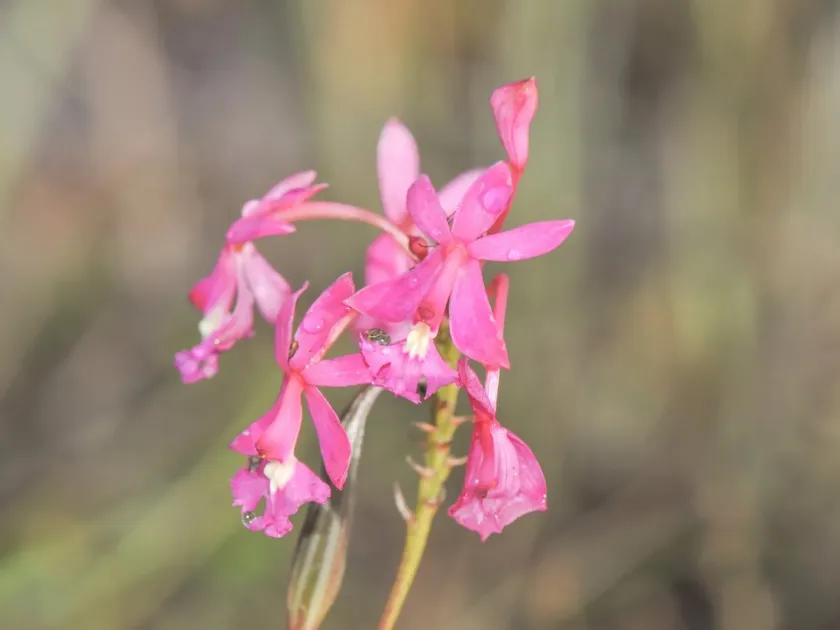
Description
Sowing dates
Epidendrum ibaguense is primarily propagated vegetatively, as seed germination requires complex laboratory protocols and specialized aseptic growth media.
The most reliable method for home and commercial propagation involves separating the keikis, which are small plantlets that develop on mature stems.
The best timing for propagation is during the active vegetative growth phase in late spring, ensuring the plant has enough energy to establish new roots.
Once separated, the keikis should be allowed to callus for several hours before being placed in a suitable, well-draining potting medium.
Maintaining high ambient humidity and stable temperatures during the first few weeks is crucial for successful rooting and overall survival of the plantlets.
Growing requirements
Epidendrum ibaguense, a member of the Orchidaceae family, originates from the tropical regions of Central and South America where it grows as an epiphyte.
This species demands high light intensity to thrive and produce its characteristic clusters of vibrant flowers, often requiring supplementary lighting in indoor settings.
The root system requires an extremely porous substrate, typically consisting of coarse fir bark, perlite, and charcoal, to ensure constant air circulation.
Temperature control is essential, with an ideal daytime range between 22 and 26 degrees Celsius and a slight nighttime drop to simulate natural habitat conditions.
Regular fertilization with a balanced orchid fertilizer is recommended during the growing season to support the plant's robust vegetative growth and flowering.
Main diseases and pests
The most frequent pest challenges include mealybugs and spider mites, which can proliferate rapidly if the environment becomes too dry.
Overwatering is the primary cause of root rot, a devastating condition that rapidly destroys the orchid's ability to absorb water and nutrients.
Leaf spot diseases, often caused by fungal pathogens such as Colletotrichum, can affect foliage if humidity levels are excessive without proper ventilation.
Viral infections are a critical threat, requiring strict quarantine of any symptomatic plants to prevent a widespread outbreak within a collection.
Routine monitoring and the use of targeted horticultural oils or systemic insecticides are standard measures for managing plant health and vitality.
Harvesting
Harvesting for commercial floriculture involves cutting the flower spikes once the majority of the florets have opened to ensure a long vase life.
Tools used for harvesting must be sterilized before each cut to prevent the transmission of pathogens or viruses between individual plants.
After harvesting, the flower stems are usually placed in a preservative solution to maintain turgor pressure and extend the decorative display duration.
Proper harvesting techniques do not significantly harm the main plant, allowing it to regenerate new spikes if cultural conditions remain optimal.
In wholesale production, timing the harvest during the cool hours of the morning helps to reduce post-harvest stress and improves overall quality.