
Domingoa haematochila
Domingoa haematochila
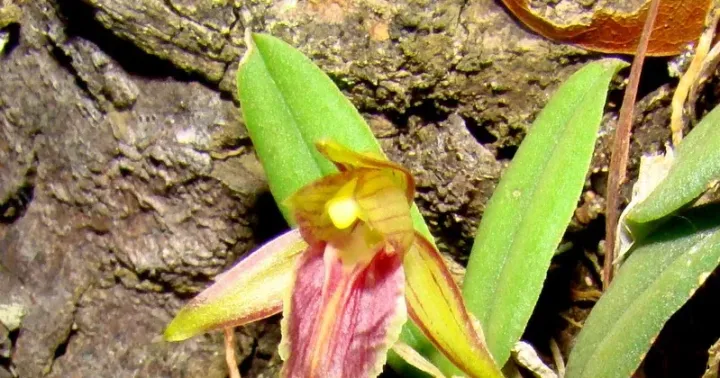
Description
Growing requirements
Domingoa haematochila is a botanical species belonging to the Orchidaceae family, native to the Caribbean islands, specifically Cuba and Hispaniola.
As an epiphytic plant, it naturally grows on the branches of trees, which necessitates a specific potting medium that mimics natural bark conditions to prevent root suffocation.
The plant thrives in intermediate temperature conditions with high atmospheric humidity levels, making it a challenging species for indoor household cultivation.
Optimal growth requires bright, indirect light exposure to maintain healthy leaf pigmentation and encourage the production of its unique, small-sized flowers.
Proper water management is critical; the plant should be allowed to experience a light drying phase between waterings to mimic its native seasonal rhythm.
Main diseases and pests
The primary pathological threats to Domingoa haematochila include root rots caused by various pathogenic fungi thriving in stagnant, overly wet conditions.
Common horticultural pests such as mealybugs and scale insects frequently infest these orchids, particularly if they are stressed by improper environmental factors.
Leaf spot diseases can also occur, which are often exacerbated by water remaining on the foliage for extended periods without adequate air circulation.
Integrated pest management strategies should be employed, focusing on early detection and the manual removal of pests before they reach critical population levels.
Strict hygiene protocols and the use of sterile growing media are essential to prevent the spread of soil-borne pathogens in the greenhouse collection.