
Dimorphorchis rossii
Dimorphorchis rossii
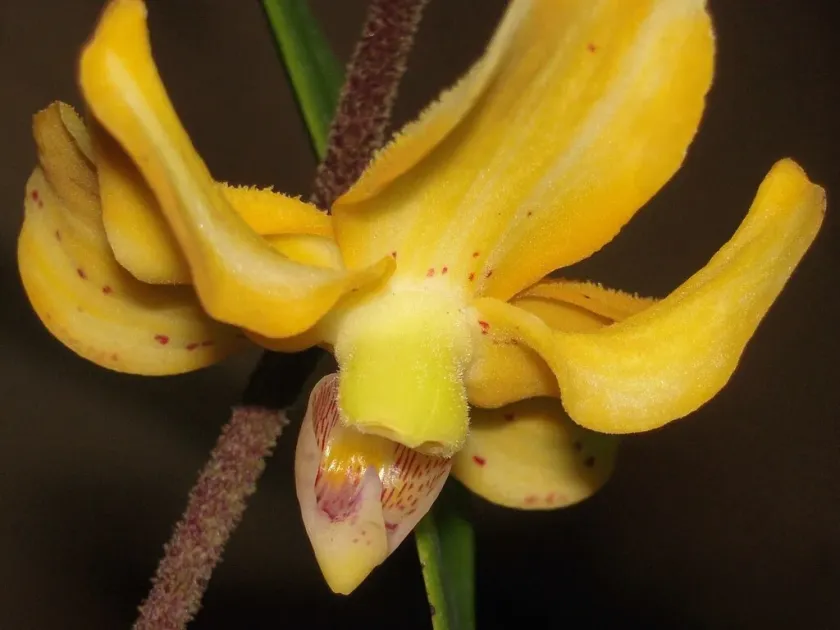
Description
Growing requirements
Dimorphorchis rossii is a rare and highly sought-after species of the Orchidaceae family. Characterized by its unique monopodial growth and visually striking spiraled flowers, this orchid is a classic example of tropical epiphytic flora found primarily in the Borneo region.
In its natural habitat, the plant thrives in high-canopy tropical rainforests, where it benefits from consistent humidity and ample airflow. When cultivated, it requires specialized care that closely mimics these tropical conditions to ensure healthy growth and successful flowering.
Temperature requirements for this species are strict, necessitating a tropical climate range of 22 to 28 degrees Celsius throughout the year. Providing a stable environment without sudden fluctuations is crucial for the plant to avoid physiological stress and stunted development.
The planting substrate should be specifically designed for epiphytes, consisting mainly of large-grade bark and charcoal pieces. This structure prevents root suffocation and provides the aeration necessary for the plant's healthy development in a containerized environment.
Watering techniques must be precise, focusing on maintaining humidity levels of approximately 70-80 percent while allowing the roots to dry slightly between applications. Using soft, purified water is highly recommended to prevent mineral salt accumulation on the delicate root system.
Main diseases and pests
The primary threats to the cultivation of Dimorphorchis rossii are pathogens like black rot and leaf spot, which spread rapidly in stagnant, humid environments. Maintaining hygiene in the greenhouse and ensuring proper air circulation is essential for the long-term survival of the orchid.
Insect pests such as scale insects and spider mites frequently pose a significant threat, especially during the drier seasons. Proactive monitoring and the application of non-phytotoxic horticultural oils or systemic insecticides are necessary to control these infestations effectively.