
Dimorphorchis lowii
Dimorphorchis lowii
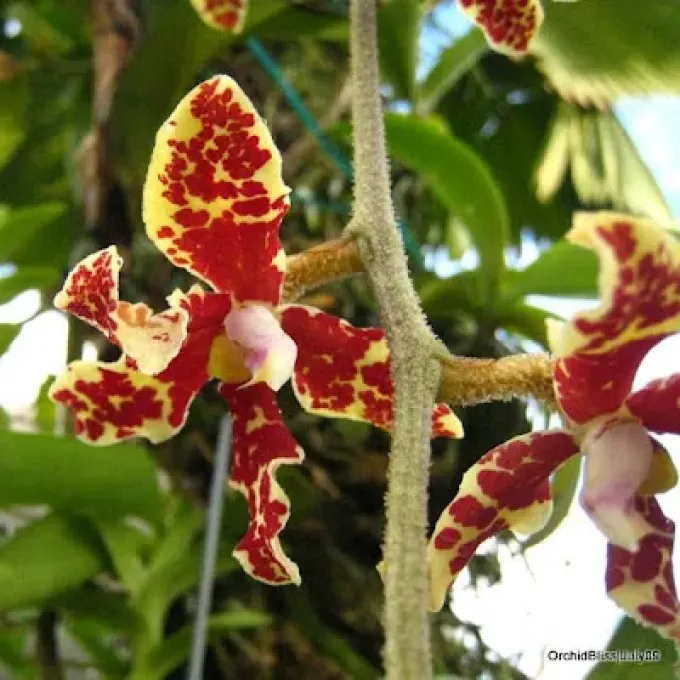
Description
Growing requirements
Dimorphorchis lowii is a striking orchid species belonging to the Orchidaceae family. Native to the tropical rainforests of Borneo, it functions as an epiphyte, growing on trees rather than in soil, which dictates its specific horticultural needs.
The culture requires a high-humidity environment, ideally ranging between 70% and 80% to mimic its natural native canopy habitat. Temperature stability is crucial, with an optimal range between 22°C and 28°C throughout the year, avoiding extreme fluctuations.
Cultivation requires a highly porous substrate, typically consisting of coarse pine bark, charcoal, and sphagnum moss. This composition allows for sufficient root aeration and prevents the waterlogging that often leads to root decay in exotic orchids.
Agricultural management involves careful irrigation, ensuring the growing medium stays moist but never saturated. Regular misting and adequate air circulation are essential to prevent moisture accumulation in the plant's delicate crown and leaf axils.
The plant is primarily utilized in ornamental horticulture and botanical research. Its rarity and specific physiological demands make it a prized specimen for collectors and specialized greenhouse facilities rather than for commercial mass production.
Main diseases and pests
Common pests affecting this species include spider mites and mealybugs, which thrive in stagnant air conditions. Routine inspection and the use of horticultural soaps or specific acaricides are recommended for effective pest management.
Fungal and bacterial rots represent the most significant threat to the plant's viability. Ensuring proper drainage and maintaining a dry surface after misting significantly reduces the incidence of infections that can compromise the plant's vitality.