
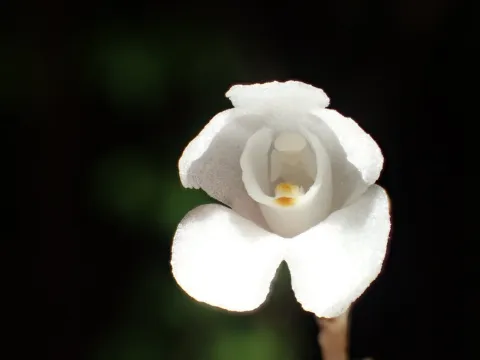
Didymoplexis
Didymoplexis
Didymoplexis is a genus of fascinating plants belonging to the Orchidaceae family, characterized by their unique mycoheterotrophic mode of life. Unlike conventional agricultural crops, these plants lack chlorophyll and rely entirely on fungi for their nutritional survival.
What the section contains


Didymoplexis
The natural habitat of this genus is distributed across tropical regions of Asia, Africa, and Australia. These plants thrive in environments where decaying organic matter supports the complex fungal networks required for their development throughout their life cycle.
There are no established agricultural practices for Didymoplexis, as they cannot be cultivated in typical garden or farm settings. Their survival is entirely dependent on the presence of specific mycorrhizal fungi, making them subjects of botanical study rather than commercial farming.
Botanically, Didymoplexis consists of small, underground tuberous rhizomes that persist under the soil surface for most of the year. The delicate aerial stems, which produce flowers, emerge briefly to facilitate pollination and seed dispersal before quickly withering away.
Conservation of these unique species requires the protection of undisturbed forest ecosystems. Understanding their interaction with soil fungi is essential for biodiversity research, as the genus illustrates a remarkable evolutionary adaptation to low-light environments.