
Dendrochilum
Dendrochilum
Dendrochilum is a diverse genus of epiphytic and lithophytic orchids belonging to the family Orchidaceae. Native to the tropical regions of Southeast Asia, these plants thrive in high-altitude forests, requiring conditions that simulate a constant mist and cool, ventilated atmosphere.
What the section contains


Dendrochilum
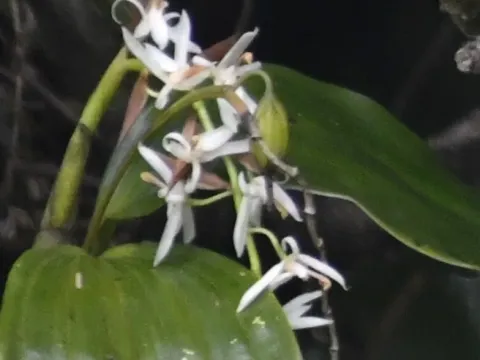
Botanically, these orchids are distinguished by their pseudobulbs which produce elegant, pendulous racemes of tiny, often fragrant flowers. The leaves are typically narrow and leathery, providing a lush backdrop for the graceful floral spikes that emerge during the active growth phase.
Cultivation requirements involve high humidity levels between 60% and 80%, accompanied by consistent air movement. These orchids prefer bright, indirect light; direct sunlight can damage the leaves, while insufficient light levels often prevent the plant from producing flower spikes.
The substrate must be highly porous, typically consisting of medium-grade pine bark, perlite, and sphagnum moss. This combination allows the roots to breathe while maintaining a sufficient level of moisture, which is vital for the development of healthy pseudobulbs.
Proper water management is essential for Dendrochilum. During the active growing season, the plant should be kept consistently moist but never waterlogged. A slight reduction in watering is recommended during the winter rest period to prevent root decay and mimic the natural seasonal changes in their native habitat.
Common threats to Dendrochilum include fungal and bacterial rots, which often occur when moisture is trapped in the center of the pseudobulbs or if the substrate stays saturated for too long without proper airflow.
Pests such as spider mites and scale insects frequently infest these orchids, especially in indoor environments where air humidity might drop below recommended levels for extended periods, stressing the plant and making it susceptible.
Effective management includes regular monitoring of the underside of leaves and the junction points of pseudobulbs. If an infestation is detected, biological or mild chemical control agents are effective if applied during the early stages of the attack.
To avoid severe damage, ensure that the orchid is not overcrowded by other plants, which could limit airflow and create micro-climates favorable for pathogens. Proper spacing significantly reduces the risk of rapid disease transmission within a collection.
Routine maintenance such as cleaning leaves and inspecting root health during repotting is vital for long-term survival. Using sterile cutting tools for pruning or division is the best practice to prevent cross-contamination of viral or bacterial diseases.