
Dendrobium
Dendrobium Sw.
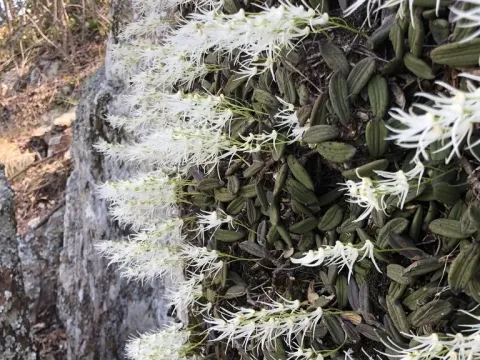
Dendrobium (lat. Dendrobium Sw.) is a large genus of epiphytic and lithophytic plants belonging to the Orchidaceae family. The native range of these species extends across the tropical regions of Southeast Asia, Australia, and the Pacific islands.
What the section contains


Dendrobium
The culture exhibits a sympodial growth habit, producing pseudobulbs that serve as storage organs for water and nutrients. This physiological adaptation allows the plants to thrive in environments characterized by fluctuating rainfall patterns.
Agronomic soil requirements are specific: a coarse, well-draining substrate composed primarily of pine bark and perlite is essential. Proper drainage prevents root asphyxiation and is vital for maintaining plant longevity and health.
Climate control is a critical factor in successful cultivation. Most varieties require high relative humidity during the growth phase, while some species need a distinct dry and cool dormant period to stimulate flower bud initiation.
Lighting requirements are high compared to other indoor plants. Dendrobium needs bright, filtered light to facilitate photosynthesis and flower production. Insufficient light is the primary cause of failure to bloom in indoor and greenhouse environments.
In commercial agriculture, yield is measured by the number of flowering spikes per mature plant. Advanced cultivation techniques allow for reliable production of multiple inflorescences, maximizing the economic output per square meter.
The crop is primarily utilized for the pot plant market and the cut flower industry. Breeding programs focus on creating robust hybrids with uniform flowering times and enhanced shelf-life for global distribution.
The most common agricultural threats include fungal pathogens causing crown and root rot, often exacerbated by stagnant water or poor air circulation. Integrated pest management (IPM) is necessary to maintain crop quality.
Pests such as spider mites, mealybugs, and thrips are persistent challenges in greenhouse settings. Regular inspection and the use of targeted biological or chemical control agents are required to prevent significant yield losses.
Harvesting of cut flower spikes occurs when a specific percentage of buds have opened, ensuring the product is at its peak for retail. Proper post-harvest handling is critical to preserve freshness during long-distance transportation.