
Dactylorhiza saccifera
Dactylorhiza saccifera
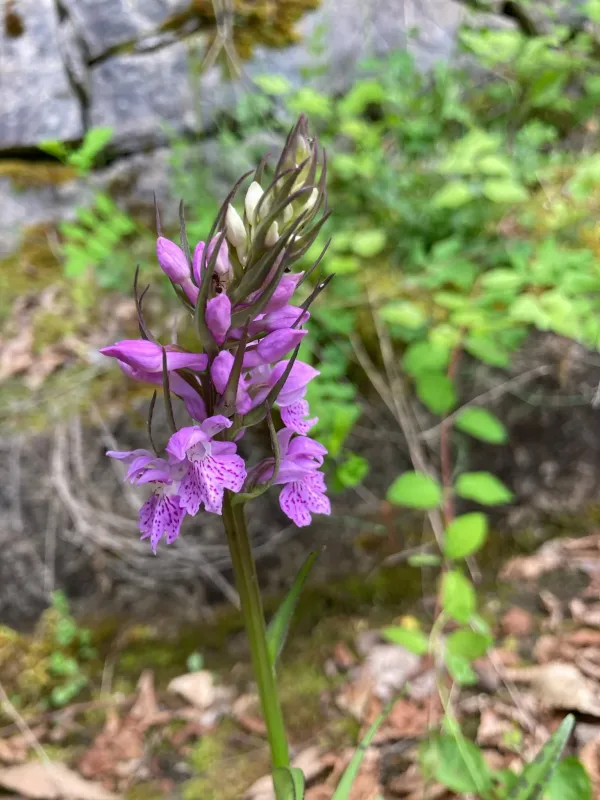
Description
Growing requirements
Dactylorhiza saccifera is a distinctive member of the Orchidaceae family, commonly found in wetland ecosystems. It is a perennial plant known for its palmately lobed tubers, which serve as crucial storage organs for nutrients during dormant phases.
The species thrives in moist meadows, forest clearings, and along the banks of water bodies. It has specific soil requirements, preferring substrates with neutral to slightly acidic pH levels that maintain consistent moisture throughout the year.
The geographic distribution of this orchid is primarily concentrated in the Mediterranean and Balkan regions. It is well-adapted to these climates but relies heavily on microclimatic stability to support its complex life cycle.
From an ecological perspective, the plant is highly dependent on symbiotic relationships with specific mycorrhizal fungi in the soil. These fungi are essential for both seed germination and the acquisition of nutrients by the mature plant.
Given its delicate ecological balance, the plant does not tolerate soil compaction or chemical disturbances caused by modern agricultural practices. Therefore, it remains a wild-growing species rather than a cultivated crop.
Main diseases and pests
The most significant threat to Dactylorhiza saccifera populations is the loss of natural habitat through land reclamation and drainage projects. Modifying hydrological patterns negatively impacts the survival of these orchids.
Fungal diseases affecting the tubers represent a major phytosanitary risk, especially when the natural drainage of the soil is compromised or when water stagnates for too long, leading to root rot and death.
Insects and generalist herbivores can cause damage to the foliage and inflorescences. While natural herbivory is a standard ecological pressure, excessive pressure from invasive species can degrade the local population.
Competition from more aggressive, nitrogen-loving plant species poses a threat in areas where soil enrichment from nearby agriculture increases nutrient runoff, forcing out the more sensitive orchid population.
Conservation is the primary management approach for this species. Preventing physical disturbance to its habitat is critical, as the plant is poorly adapted to survive in areas modified for industrial or traditional agricultural production.