
Dendrochilum pallidiflavens
Dendrochilum pallidiflavens
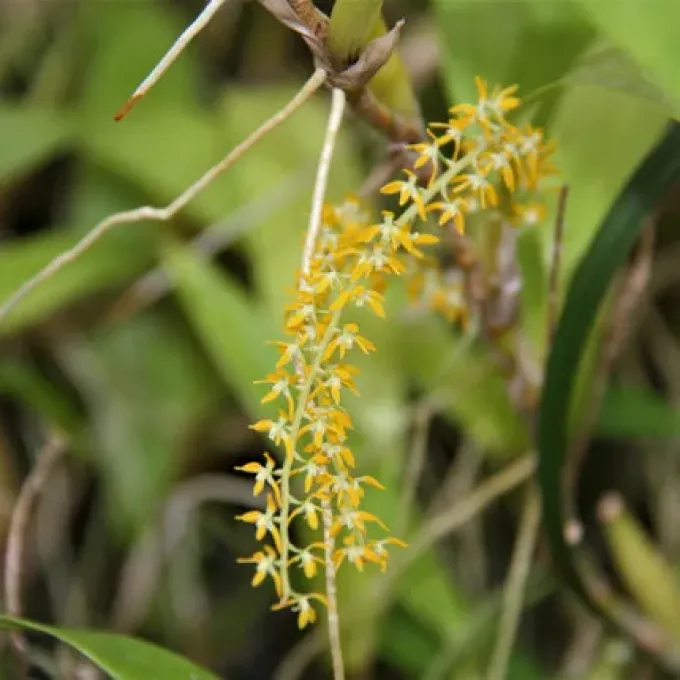
Description
Growing requirements
Dendrochilum pallidiflavens is a member of the Orchidaceae family, native to the humid tropical forests of Southeast Asia, particularly the Philippines. It is an epiphytic orchid that naturally grows on tree branches, thriving in high-humidity environments.
To cultivate this species successfully, one must maintain ambient humidity levels between 60% and 80%. The plant requires bright, filtered light; direct sun exposure should be strictly avoided to prevent foliage damage and thermal stress.
The ideal temperature range for active growth is between 20°C and 26°C during the day, with a mandatory nocturnal temperature drop of 4–6 degrees to stimulate natural physiological processes. During winter, a dormancy period with reduced watering is crucial.
The potting medium must be airy and well-draining, typically consisting of fine-grade pine bark mixed with charcoal and sphagnum moss. Effective drainage holes in the container are essential to ensure the roots do not remain submerged in stagnant water.
The primary use of this plant is ornamental, serving as a prized specimen in private orchid collections and botanical gardens. Its distinctive, arching inflorescences bearing numerous pale yellow flowers provide significant aesthetic value to indoor landscapes.
Main diseases and pests
Common pests affecting this orchid include spider mites and scale insects, which flourish if the environmental humidity drops. Mealybugs may also infest the plant, hiding within the leaf axils or near the base of the pseudobulbs.
Root and stem rots are the most prevalent diseases, almost exclusively caused by improper watering practices or poorly draining substrate. Fungal pathogens, such as Fusarium or Botrytis, often attack when the plant is kept in cool and damp conditions.
Disease prevention relies on maintaining excellent air circulation around the plant. Regular inspections are necessary to detect early signs of infestation or rot, allowing for prompt intervention with fungicides or insecticides.
Excessive mineral buildup from hard water can damage sensitive orchid roots, leading to physiological stunted growth. Using filtered, rainwater, or deionized water is recommended for all irrigation needs.
Maintenance should include biannual repotting to refresh the substrate and prevent it from breaking down into fine particles that restrict air access. This practice is essential for maintaining a healthy and vigorous root system over the long term.