
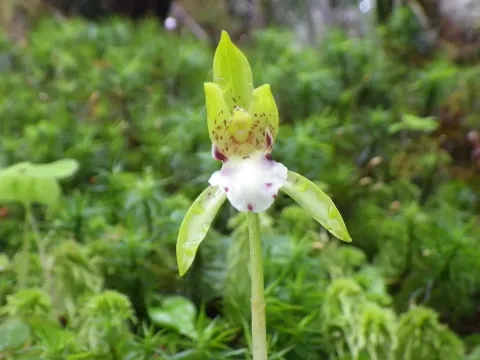
Dactylostalix
Dactylostalix
Dactylostalix is a monotypic genus of perennial herbaceous plants belonging to the Orchidaceae family.
What the section contains

Dactylostalix
In the wild, this genus is represented by a single species, Dactylostalix ringens, which is endemic to Japan, specifically found in the mountainous forests of Honshu, Shikoku, and Kyushu.
The plant prefers shaded environments with high humidity, often settling in the litter of coniferous or mixed forests where the soil is rich in organic matter.
Optimal development of Dactylostalix requires a moderate temperature range without significant fluctuations, as it is extremely sensitive to root system overheating.
From an agricultural perspective, the species is considered difficult to cultivate and is not utilized in commercial farming due to its narrow ecological niche and specific symbiotic relationships with mycorrhizal fungi.
The primary threats to the species in its natural habitat include changing climatic conditions and the degradation of forest ecosystems.
The plant is highly susceptible to fungal diseases when moisture levels in the substrate are excessive, which leads to rapid root rot.
Pests, such as slugs and snails, pose a significant danger, consuming the delicate leaves and flower spikes of the orchid during its active growth phase.
Human activities, including illegal collection by hobbyists, have significantly reduced the distribution range of this rare plant species in the wild.
Currently, there are no established pest control methods for cultivated specimens, so the focus remains on prevention and maintaining ideal environmental conditions.