
Dactylorhiza urvilleana
Dactylorhiza urvilleana
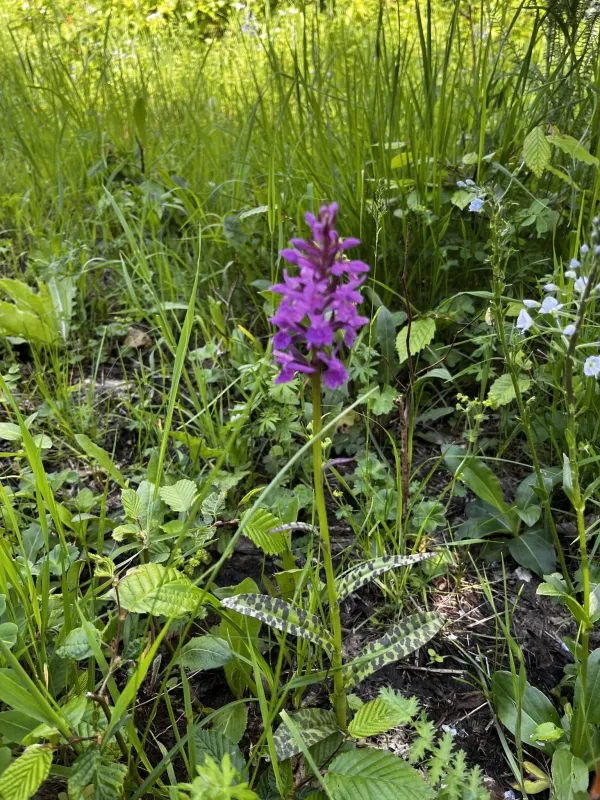
Description
Growing requirements
Dactylorhiza urvilleana is a perennial herbaceous plant belonging to the Orchidaceae family. It is recognized by its distinct dactyl-shaped tuberous roots, which store energy for the plant during dormant periods.
The native range of this species covers the mountainous areas of the Caucasus and parts of Western Asia. In agriculture, it is treated as a specialty plant, often grown in specialized nurseries under controlled conditions.
The soil requirements involve a well-drained, humus-rich substrate that maintains consistent moisture. A mixture of leaf mold, peat, and coarse sand or perlite is typically recommended to simulate its natural habitat.
This species requires partial shade or bright, indirect light to thrive. High-intensity sunlight can cause leaf scorching and dehydrate the root system, so placement must be carefully chosen to avoid direct noon sun.
The microclimate must provide a cool, humid environment during the growing season. A distinct winter dormancy period is essential, during which the plants should be kept cool and slightly drier to prevent rotting.
Main diseases and pests
Root rot is the most common disease encountered during cultivation. It is typically caused by poor drainage or excessive watering, which encourages the growth of soil-borne fungi that attack the plant's tubers.
Pests such as aphids, thrips, and spider mites can severely damage the foliage and flowers. Integrated pest management strategies, including the use of targeted biological controls, are effective for maintaining plant health.
Slugs and snails are major threats, particularly during the spring when tender shoots emerge from the soil. Protective barriers or organic bait traps are necessary in outdoor garden settings to prevent significant damage.
Viral infections represent a serious long-term threat to the collection. These pathogens often manifest as mottled leaves and stunted growth, and because they are systemic, affected plants must often be isolated or destroyed.
The reliance on mycorrhizal fungi for nutrient uptake makes the species sensitive to synthetic fertilizers. Excessive chemical application can disrupt this beneficial relationship, weakening the plant's natural resistance to diseases.