
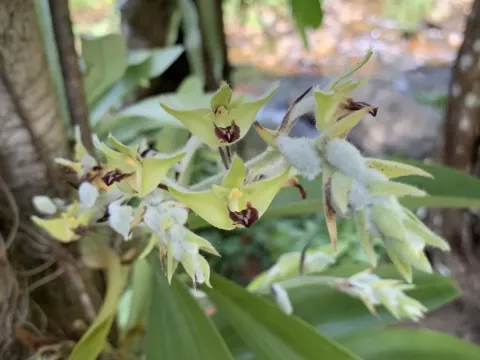
Dendrolirium
Dendrolirium
The sowing of Dendrolirium seeds is a precise process that requires controlled conditions to ensure a successful germination rate in specialized nurseries.
What the section contains


Dendrolirium
Seeds are typically sown in early spring, using a sterile, finely textured substrate rich in organic matter to mimic natural conditions.
Proper spacing is crucial to prevent the spread of soil-borne pathogens and to ensure that each seedling receives adequate airflow during the initial growth phase.
Moisture control is the most critical factor during the sowing period; the substrate must remain consistently damp but never waterlogged.
After germination, seedlings are moved to a protected environment with diffused lighting to facilitate the development of the primary root system.
As a member of the Orchidaceae family, Dendrolirium requires a specific microclimate characterized by high humidity and consistent, moderate temperatures.
The plant thrives in a well-draining, airy substrate composed of pine bark, perlite, and charcoal, which ensures optimal root respiration.
Light requirements are strict: Dendrolirium prefers bright, indirect sunlight, as direct exposure can cause significant physiological damage to the foliage.
Nutrient management involves regular, dilute applications of orchid-specific fertilizers, ensuring that nitrogen, phosphorus, and potassium are balanced.
Maintaining a temperature range between 18°C and 24°C is essential for sustaining active growth throughout the development cycle of the plant.
Root rot, driven by poor drainage and excessive watering, remains the primary threat to the longevity of Dendrolirium populations in cultivation.
Pests such as mealybugs and spider mites frequently infest the plant, exploiting dry air conditions to colonize the underside of the leaves.
Fungal infections, including leaf spot, may occur if ambient air circulation is insufficient, leading to rapid deterioration of plant tissues.
Integrated pest management strategies should include the periodic application of biological controls and specific miticides when populations exceed thresholds.
Quarantine measures for new plant stock are vital to prevent the introduction of viral diseases that can cause irreversible damage to collections.
The harvest of Dendrolirium in a commercial setting is focused on the production of high-quality floral stems for the luxury cut flower market.
Harvesting should occur when the inflorescence is mature enough to ensure long-lasting freshness, typically in the early morning hours to minimize transpiration.
Specialized tools are required to harvest the stems without causing mechanical injury to the parent plant, which could hinder future growth cycles.
Post-harvest care involves immediate hydration and storage in cool conditions to maintain turgor pressure and extend the vase life of the flowers.
Marketing and distribution require careful packaging to protect the delicate structures of the flowers during transportation to retail locations.