
Dactylorhiza umbrosa
Dactylorhiza umbrosa
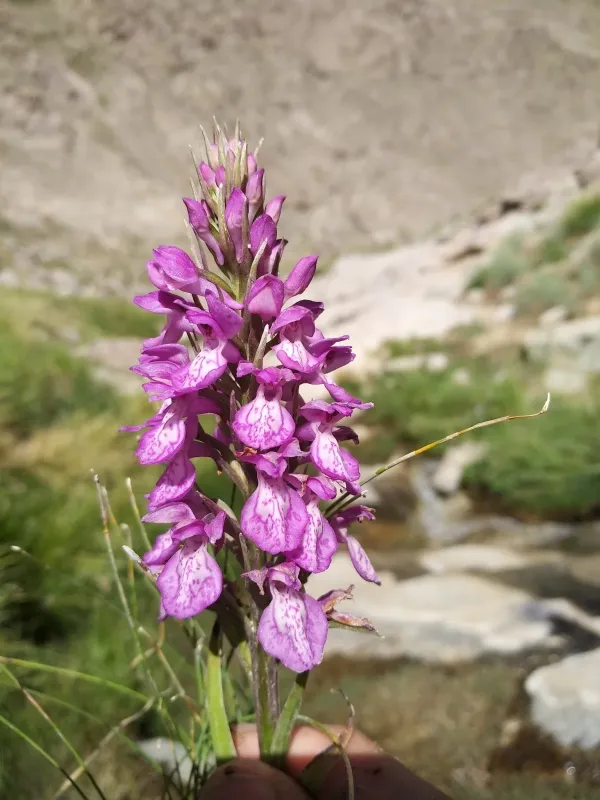
Description
Growing requirements
Dactylorhiza umbrosa is a perennial herb belonging to the Orchidaceae family. It is a moisture-loving species that thrives in specific ecological niches.
The native distribution of this plant includes the regions of Central Asia, the Caucasus, and parts of the Middle East. It is typically found in swampy meadows, wetlands, and near riparian zones where the water table is high.
Botanically, it is defined by its palmately-lobed tubers that serve as nutrient storage units. The leaves are typically narrow and lanceolate, while the inflorescence is a dense spike bearing distinctive, often vibrant flowers.
Cultivation requires specific environmental conditions, including constant soil moisture and a neutral or slightly alkaline substrate. The plant is sensitive to substrate compaction and requires well-aerated but moist soil.
While not a major commercial agricultural crop, the tubers of this genus are traditionally harvested to produce salep, a nutritious starchy powder. However, due to its status as a protected species in many areas, sustainable management is critical.
Main diseases and pests
The primary threats to Dactylorhiza umbrosa involve the destruction of natural wetland habitats and irrigation changes. Fungal pathogens are a significant risk if the soil remains stagnant or poorly drained.
Common pests include slugs and snails, which target the lush foliage of the plant during the early growth stages. Aphids may also affect the flowering stems if the plants are stressed by lack of proper ventilation.