
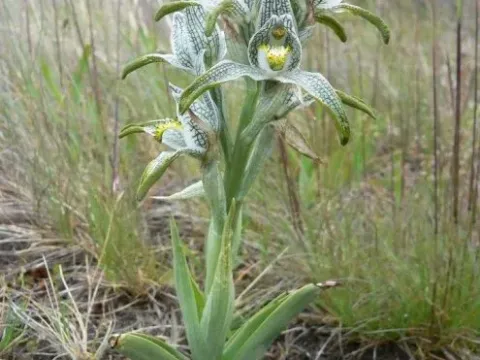
Chloraea
Chloraea
The genus Chloraea belongs to the Orchidaceae family and comprises a diverse group of terrestrial orchids native to South America. Unlike the more common epiphytic orchids, these plants spend their entire life cycle rooted in the soil, requiring specific geological and biological conditions.
What the section contains


Chloraea
These plants are primarily distributed across Argentina and Chile, inhabiting various ecosystems from grasslands to alpine meadows. Their survival depends on the seasonal climate of these regions, which requires a specific metabolic adaptation to alternating wet and dry periods.
Successful cultivation of Chloraea requires highly porous, well-draining soil mixtures that prevent waterlogging. The root systems of these terrestrial orchids are sensitive, and maintaining the correct soil pH is vital to ensure proper nutrient uptake and plant health.
Regarding climatic requirements, Chloraea species prefer cool to temperate conditions. They thrive in environments with consistent airflow, as stagnant air often leads to the proliferation of fungal pathogens that attack the sensitive underground tubers.
The ornamental potential of Chloraea is significant due to their unique, often metallic or greenish flower coloration. However, their use is largely restricted to specialized botanical collections because they are difficult to propagate and maintain in standard agricultural settings.
The main threats to Chloraea include fungal infections such as root and crown rot, primarily induced by improper watering practices. High humidity without adequate ventilation creates a perfect environment for these pathogens to destroy the plant's root system.
Common horticultural pests like spider mites and aphids represent a constant risk, especially when these plants are kept in greenhouse conditions. Early detection is essential to prevent significant foliage damage and the weakening of the entire plant.
Improper substrate composition is another major threat, as Chloraea is highly susceptible to salinity stress. Excessive application of synthetic fertilizers can quickly lead to chemical burns on the roots and a total decline in plant vigor.
Failure to provide a distinct dormant period is a critical physiological threat. Without the natural cooling and reduced watering during the off-season, the plants often fail to bloom and may slowly lose their vitality over several growth cycles.
Pest and disease management relies heavily on preventative hygiene and controlled climate management. Sterilizing all tools and using fresh, well-draining media is the gold standard for maintaining the health of these orchids.