
Chloraea gavilu
Chloraea gavilu
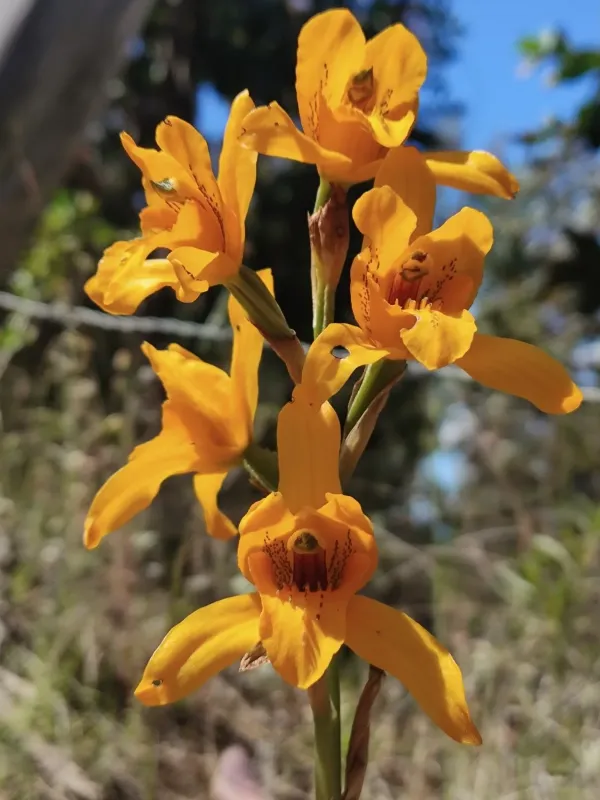
Description
Growing requirements
Chloraea gavilu is a terrestrial orchid species native to the temperate regions of South America, primarily Chile. Belonging to the Orchidaceae family, it is recognized for its unique adaptation to the specific ecological niches of its natural habitat.
The plant grows from tuberous roots, which serve as storage organs during the dormancy period. It features a robust stem and elongated, lance-shaped leaves, producing attractive, complex flowers typical of the Chloraea genus that stand out in the local flora.
Regarding soil requirements, this species thrives in well-drained, slightly acidic to neutral substrates. A critical factor in its successful cultivation is the presence of specific mycorrhizal fungi, which form a symbiotic relationship with the orchid's roots to assist in nutrient uptake.
Chloraea gavilu prefers open, sunny locations but can tolerate partial shade. It is well-adapted to a climate characterized by Mediterranean-like cycles: wet winters and dry summers. Protecting the plant from excessive moisture during dormancy is essential to prevent root rot.
Currently, the use of Chloraea gavilu is restricted to specialized botanical collections and ornamental horticulture. Due to its challenging propagation requirements and reliance on biological symbiosis, it is not considered a mainstream agricultural crop, but rather a species of scientific interest.