
Nematanthus
Nematanthus Schrad.
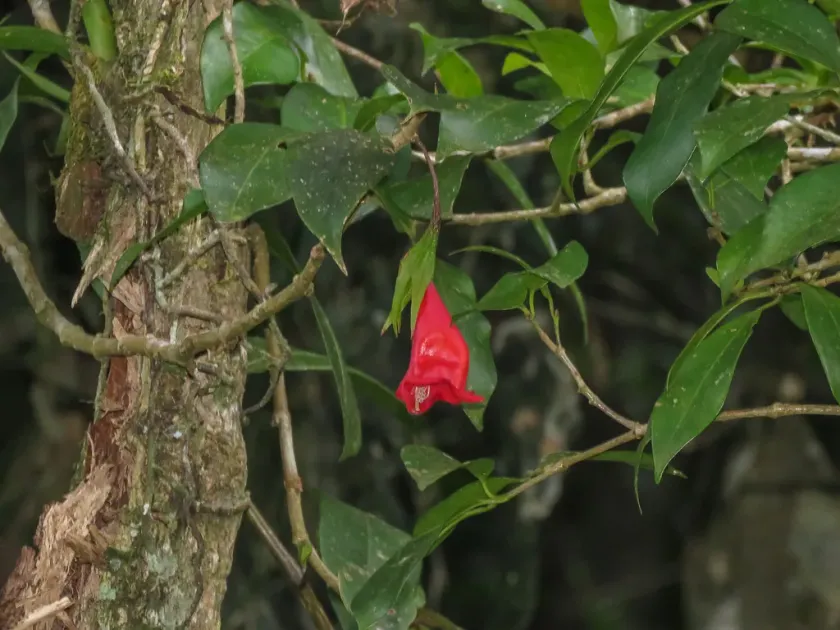
Description
Growing requirements
Nematanthus (Nematanthus Schrad.) is a perennial flowering genus within the Gesneriaceae family. Originating from the tropical rainforests of Brazil, these plants typically grow as epiphytes, thriving in humid, shaded environments under forest canopies.
Botanically, Nematanthus is characterized by its succulent, dark green, glossy leaves and distinctive pouch-shaped flowers often referred to as the goldfish plant. The stems are semi-woody and can exhibit a trailing habit, making them excellent for hanging baskets.
Climate requirements for this culture include consistent temperatures between 20°C and 25°C. They are highly sensitive to cold drafts and sudden drops in temperature, which can lead to significant leaf drop and physiological stress.
For optimal growth, the soil must be well-draining, aerated, and slightly acidic. A mix consisting of peat, orchid bark, and perlite is often used to replicate the natural epiphyte environment and prevent the roots from becoming waterlogged.
Light intensity should be high but diffused. While the plant can tolerate some morning sun, midday exposure should be avoided to prevent foliar scorching. Proper light exposure is the primary trigger for consistent seasonal blooming.
Main diseases and pests
The most common pests affecting Nematanthus are spider mites, mealybugs, and aphids. These insects thrive in dry air conditions, often colonizing the crevices between leaves and stems where they remain hidden from immediate view.
Cultural control methods involve regular inspections and maintaining higher humidity levels to discourage spider mite populations. If an infestation occurs, horticultural oils or systemic insecticidal soaps are recommended for effective management.
Fungal issues, particularly gray mold (Botrytis), often arise if humidity is too high without adequate air circulation. Ensuring good ventilation around the foliage is a primary prophylactic measure against fungal outbreaks.
Root rot is the most prevalent disease, generally caused by overwatering or poor drainage. It manifests as yellowing of the foliage and a limp appearance, requiring immediate repotting and trimming of necrotic roots to save the plant.
To maintain plant health, it is essential to follow a strict fertilizer regimen during the growing season while ensuring the soil remains moist but never saturated. Disease pressure can be significantly reduced by practicing good sanitation throughout the cultivation area.